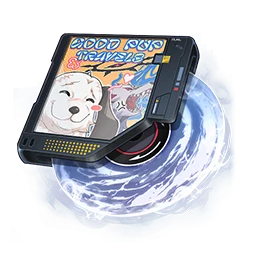
 Arcs Neverness to Everness
All 47 Arcs (NTE's weapon system) with effects, star upgrades and who should use them.
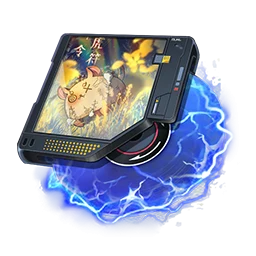
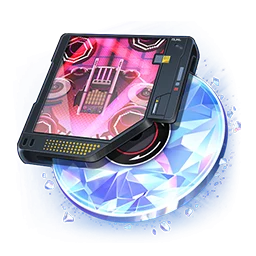
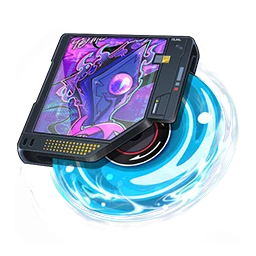
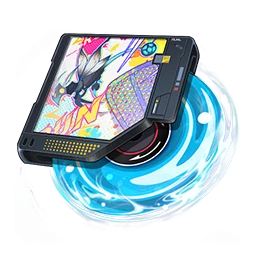
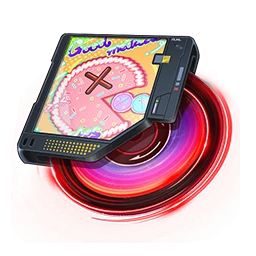
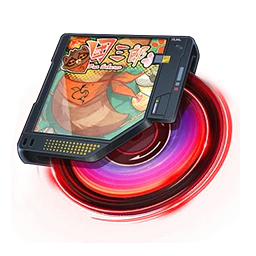
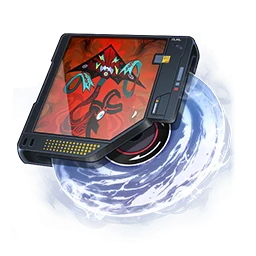
Arcs are NTE's equippable weapons: each has an effect that grows through 5 stars, and each fits only characters of the matching Type. Pulled from the Arc Research banner (hard pity 80).
 S
S
 S
S
 S
S
 S
S
 S
S
 S
S
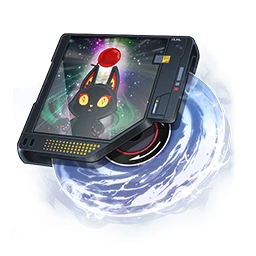 S
S
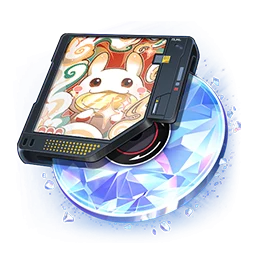 S
S
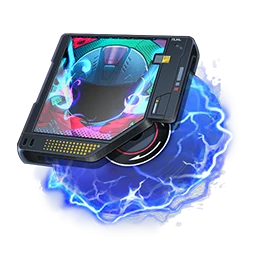 S
S
 S
S
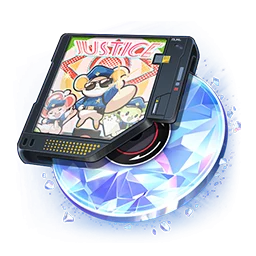 S
S
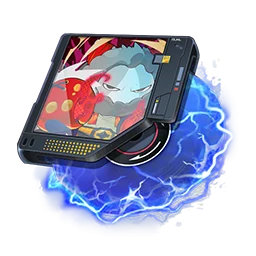 S
S
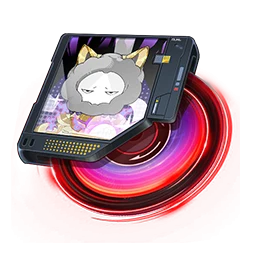 S
S
 S
S
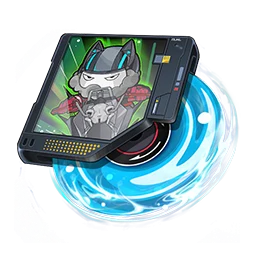 S
S
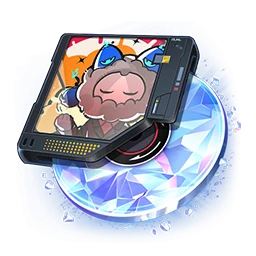 S
S
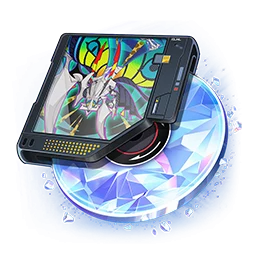 S
S
 S
S
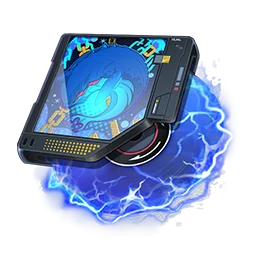 S
S
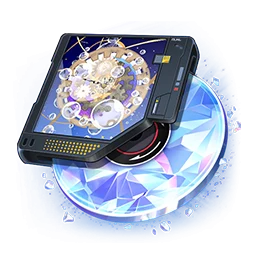 S
S
 S
S
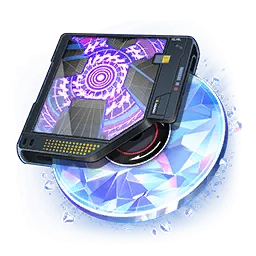 S
S
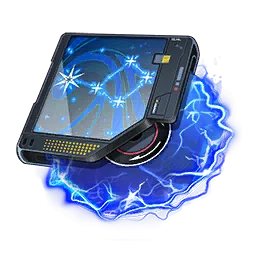 S
S
 S
S
 S
S
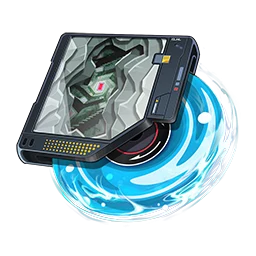 S
Upcoming · 29/07
S
Upcoming · 29/07  A
A
 A
A
 A
A
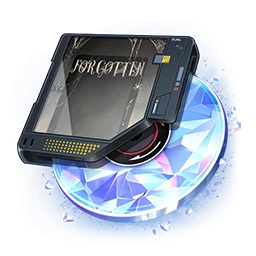 A
A
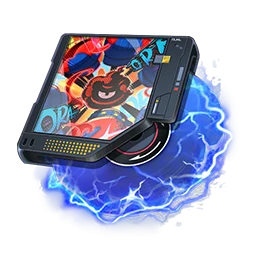 A
A
 A
A
 A
A
 A
A
 A
A
 A
A
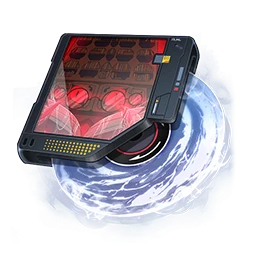 A
A
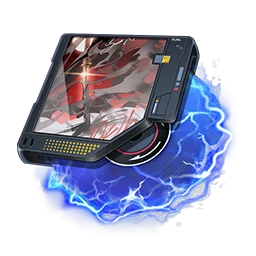 A
A
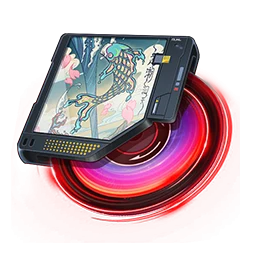 A
A
 A
A
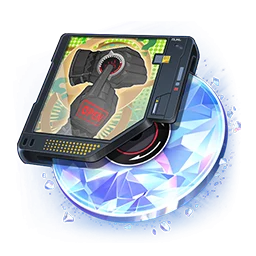 A
A
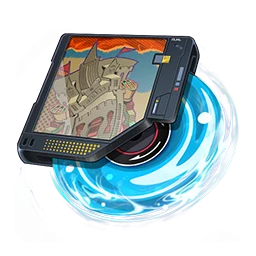 A
A
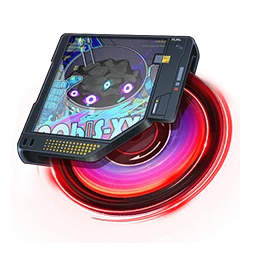 B
B
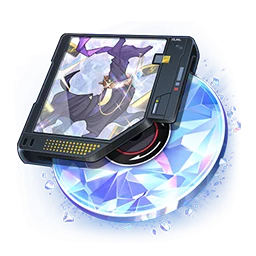 B
B
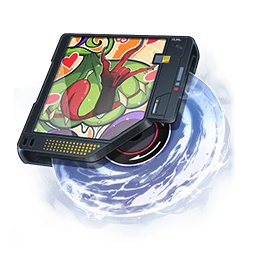 B
B
 B
B
 B
B
47 Arcs by Rarity: Where the Investment Actually Goes
The 47 Arcs split into three rarity tiers, and the split determines how you should spend both Tri-Keys and time.
- 26 S-rarity — the chase tier, pulled through the gacha with an 80-pull hard pity. But an S-rarity Arc is still class-locked: pulling one outside every class your current roster covers means it sits unused until you get a matching character.
- 16 A-rarity — the realistic mid-investment tier for a character who doesn't hold a matching S yet; several perform close enough to their S counterpart to be worth building instead of waiting on pity.
- 5 B-rarity — the starter tier, obtainable outside the weapon gacha through normal progression. These exist to fill the slot immediately, not to be a long-term answer.
Rarity alone doesn't decide value here — a high-rarity Arc that doesn't match a character's class tag can't be equipped at all, so check the class tag on a card before weighing its rarity.
5 Class Tags: Matching an Arc to a Character
Every character and every Arc carries one of 5 class tags — Solid, Liquid, Plasma, Gas, or Condensate — shown on each card and confirmed as their official names (matching the game's own 4 states of matter plus the Condensate phase-change class).
- A character can only equip an Arc sharing their own class tag — a mismatched tag simply cannot go into that weapon slot, there's no partial benefit.
- This is a hard compatibility rule, not a soft recommendation, so it's worth checking a character's class tag before spending Tri-Keys chasing a specific S-rarity Arc.
- Filtering this catalog by class tag first, then comparing rarity within that narrower list, is a more useful way to browse than sorting by rarity alone.
How to Read This Catalog Before You Pull
This index isn't just a list — each card is a starting point for a decision, and it's built to be filtered rather than scrolled top to bottom.
- Filter by rarity and class tag together to see only what your current roster could actually use.
- Every card links out to its own detail page for the breakthrough and star-refinement curve, and back to the matching character's build page — check that build page for the specific Arc actually recommended before spending anything, since a strong-looking S-rarity Arc can still underperform a lower one that fits a kit better.
- Because pity accumulates and carries over across every Arc banner, it's worth checking this catalog against the gacha explainer before a new banner opens — you may already be closer to a guaranteed pull than the fresh count suggests.
How to read each detail page
Breakthrough vs Star Refinement: Two Different Tracks
This page tracks two upgrade paths that solve different problems, and confusing one for the other is the most common way to waste materials on this Arc.
- Breakthrough (6 stages) raises the level cap and pushes up base stats — this is about how tanky/how much raw ATK this Arc can carry, and it uses breakthrough materials, not duplicates.
- Star refinement (up to 5 stars) is a separate track that only scales the numbers inside this Arc's passive effect — it does not touch the level cap or base ATK at all. Raising it usually costs either duplicate copies of this same Arc or dedicated star-up material, shown further down this page.
- A copy at breakthrough 6 / star 1 has the full base stats but the weakest version of the passive; a copy at breakthrough 1 / star 5 has a strong passive on a low stat floor. Neither substitutes for the other — a fully invested Arc needs both tracks pushed.
Reading the Star-Refinement Buff on This Page
The passive effect box on this page lists a value or a range for each of the 5 star levels — that's not a random roll, it's a fixed curve: every copy of this exact Arc at star 3 has the exact same passive strength as every other copy at star 3. There's nothing to gamble on here beyond deciding whether to spend the materials to move up a star.
- Read the numbers at star 1 and star 5 side by side first — that gap tells you how much this specific Arc actually rewards refinement versus one where the passive barely changes between stars.
- Some passives scale a percentage bonus, others scale a stacking condition (like how many stacks or how long an effect lasts) — check which type this Arc's passive is before assuming “higher star = flat bigger number” applies the same way to it.
- If this Arc's class tag doesn't match any character you're currently running, refining stars on it is wasted spend regardless of how good the star-5 passive looks — fix the class match first.
Check the Class Tag on This Page Before You Invest
The class tag shown near the top of this page is the single fact that decides whether anything else on it matters. It's one of 5 tags (displayed as Type I-V), and it's a hard equip rule, not a soft suggestion — a character outside this tag simply cannot put this Arc into their weapon slot.
- Before spending breakthrough materials or star-up copies here, confirm this Arc's tag matches a character you actually plan to build, not just one you happen to own.
- If this Arc came from a limited banner and its tag doesn't match anyone in your current roster yet, it's usually safer to leave it at base breakthrough/star until a matching character arrives, rather than sinking materials in blind.
- Deep-link to this Arc's matching characters from the class filter on the arcs catalog, or check a specific character's build page to see whether this Arc is actually their recommended pick versus just a compatible one.
Limited-Banner Arcs Never Enter the Shop
Once you have owned any Arc at least one copy, it normally appears for sale in the Arc shop afterward (paid with Tri-Keys) — this is how most players eventually collect duplicates to max out (mix) a favorite Arc without pulling it again.
- The one hard exception: an Arc that comes from a limited (rate-up) banner never enters the shop, even after you already own a copy of it.
- If your build depends on a limited Arc, the only way to fully mix it to max stacks is pulling more copies from that same gacha banner — there is no key-purchase shortcut for these.
- Check whether an Arc came from a limited banner before assuming you can just buy your way to a maxed copy later; standard-pool Arcs don't have this restriction.
Where Arc Shop Keys Come From
Buying an Arc from the shop costs Tri-Keys, so it pays to know where free keys come from before you spend.
- Raising your Hunter Exchange rank to level 30 unlocks a purchase of 31 keys using Fons (a separate in-game currency) — the single largest confirmed free source.
- Community sources also point to a recurring monthly token allotment as a second free source, but we are not listing its exact figure here until we can confirm the item under its official name.
- Because limited-banner Arcs never enter the shop (see the block above), save your keys for Arcs that actually appear there.
 Characters→
 Module Sets→