Materials Neverness to Everness
289 key items: character materials, bond gifts, key items and currencies — with official names in 4 languages.














































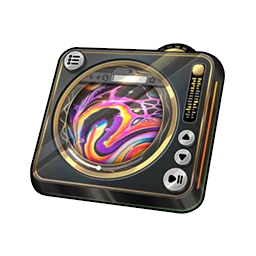
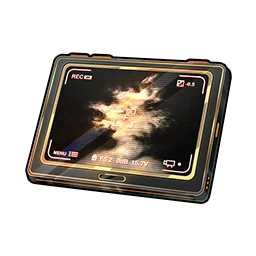

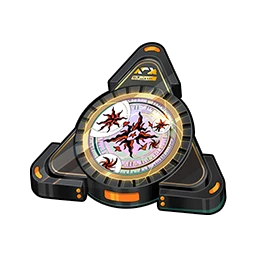
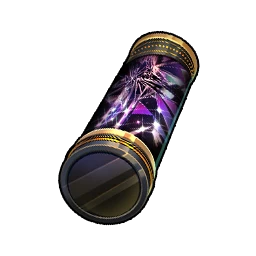

















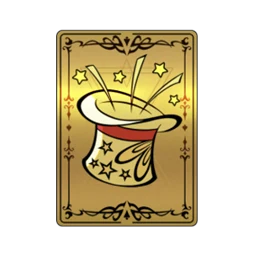
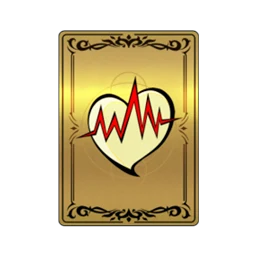








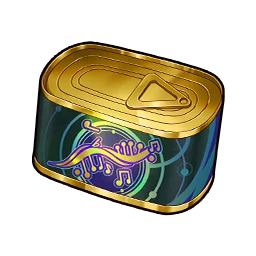
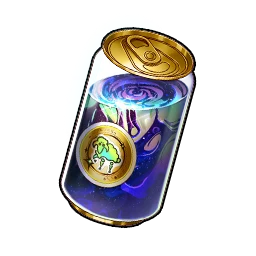

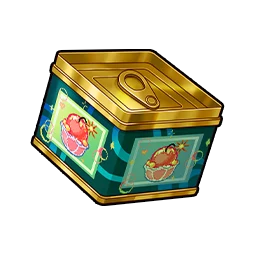


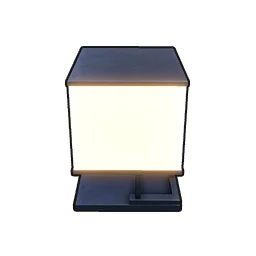
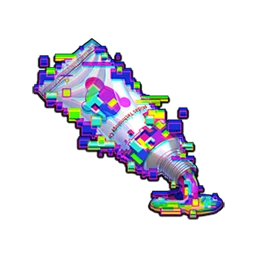



















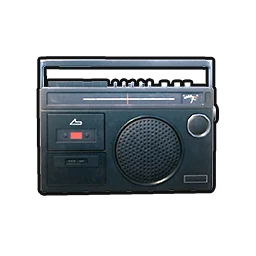
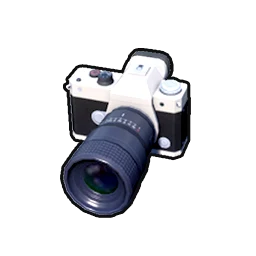

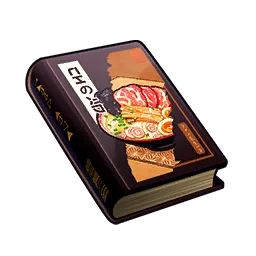
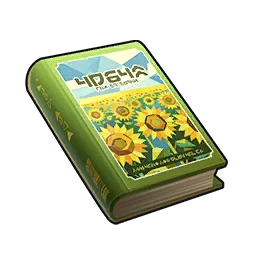


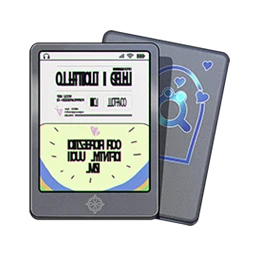

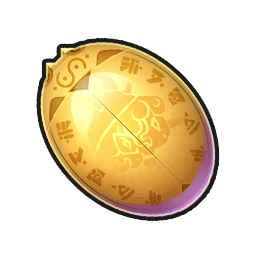











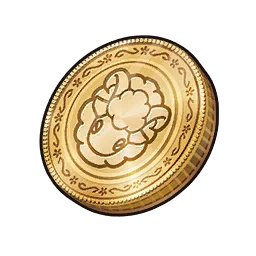
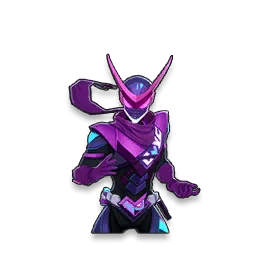



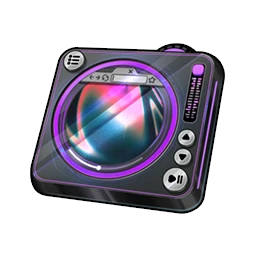




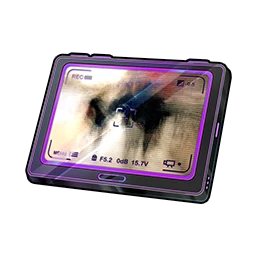
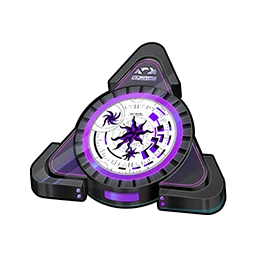



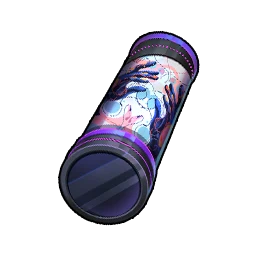




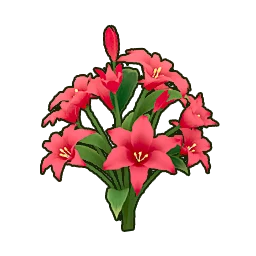














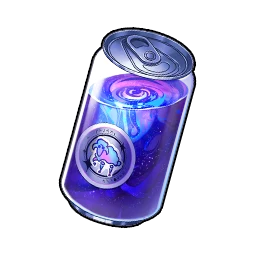



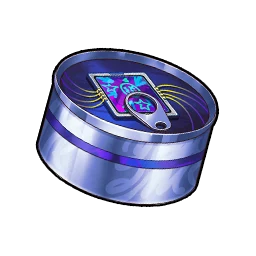


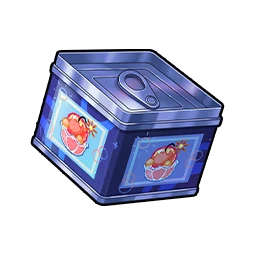










































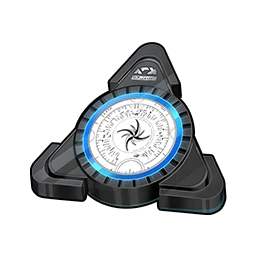
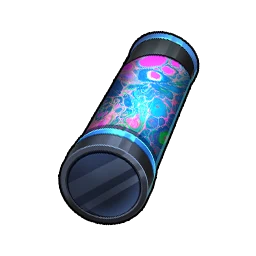

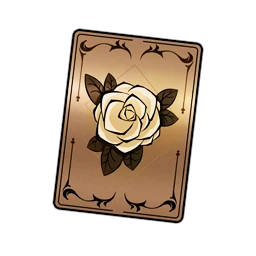
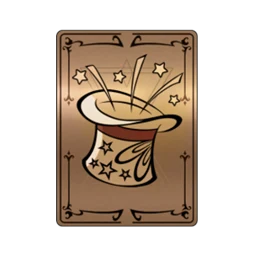
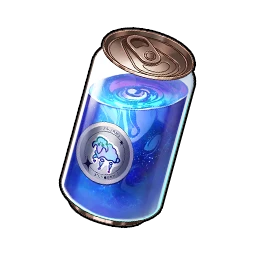
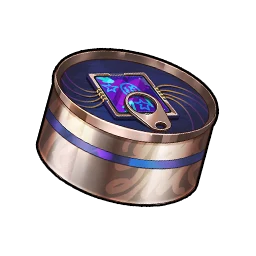
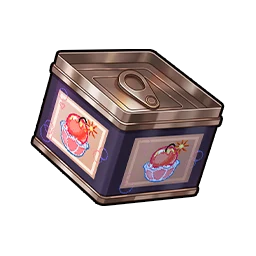
































4 Groups, Only One Built for Combat Power
This catalog holds 289 items across 4 groups, and only one of them touches a character's stats directly.
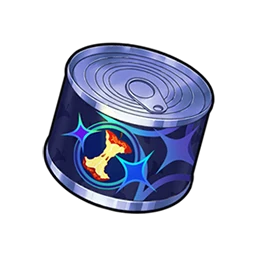
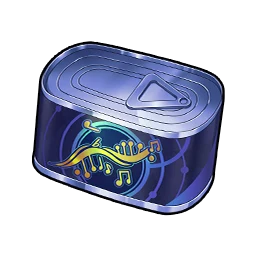
- Material — character level EXP, account/Hunter level EXP, ascension books, and the upgrade materials for a character's skills and modules. This is the only group that directly moves combat power.
- Currency — the game's spendable resources shown on this catalog, including the handful of core currencies that actually gate gacha pulls and upgrades, alongside minigame-specific ones.
- Key items — items bound to a quest or a feature unlock rather than something farmed repeatedly.
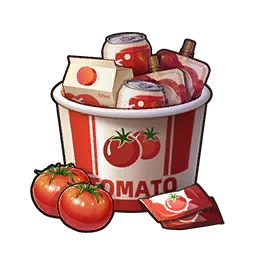
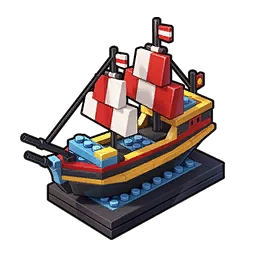
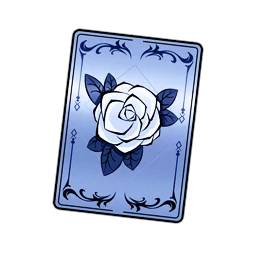
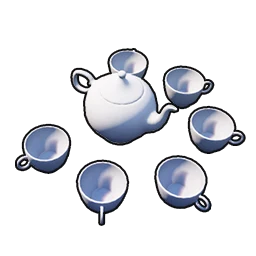
- Gift — by far the largest group, almost entirely bond/relationship gifts for the game's role-bond system. Valuable for that content, but it doesn't touch a character's combat stats.
Farm Order If the Goal Is Combat Power
If the priority is pushing a character's build rather than clearing out every item type, the 4 groups aren't equally worth farming first.
- Material first — level EXP and ascension books raise a character's stat ceiling directly, and the skill/module upgrade materials in this same group raise damage output at the source. Nothing else on this catalog moves combat numbers as directly.
- Currency second — the core currencies gate gacha pulls and upgrade costs; running out mid-build stalls progress even with materials already in hand.
- Key items as needed — these usually come from story or feature progression rather than farming, so there's rarely a choice to make beyond following the content that grants them.
- Gift last, on its own schedule — role-bond gifts matter for that specific system, but since they don't affect combat stats, they're better treated as a side activity than something to prioritize over material and currency.
Filtering This Catalog by Group and Rarity
With 289 items in one list, filtering by group first narrows things down fast.
- Switch to the material filter to see everything that actually feeds a character's stat growth — that's the shortlist worth checking against a specific character's own build page for exactly which materials that character needs.
- Rarity still applies within each group the same way it does elsewhere on this site — higher rarity generally means a scarcer or more advanced version of that material or gift, not a different function.
- An item's own detail page lists related items from the same group, which is a faster way to browse a full material or gift line than scrolling the full 289-item grid.
The 5-Category Farm Map (What Feeds What)
Community farming guides for this game consistently break the material grind into 5 categories, each with its own main source — worth knowing before spending stamina on the wrong loop.
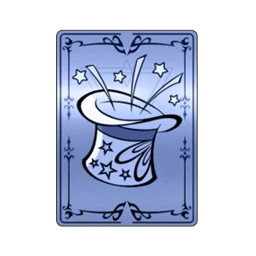
- Level EXP materials — farmed from the stamina-cost stage (Houdinii's Magic Stage), the highest-volume, most repeatable source.
- Ascension materials — come from Anomaly Hunt (the repeatable world boss loop) plus open-world gathering/monster drops; if short, exchange currencies like Fabricated/Solid Dice at a shop.
- Ability (skill) upgrade materials — early-mid tiers drop from the daily stamina stage and Hunter Exchange; the high-tier (S-rank) version only comes from Anomaly Pilgrimage, a weekly boss capped at 3 clears per account per week — treat that weekly cap as the tightest bottleneck in the whole loop.
- Beetle Coin — the shared crafting currency for upgrades/ascension/weapons, earned from world exploration plus stamina-stage drops; several independent community sources warn it becomes the resource most likely to run dry late-game.
- Arc (weapon) materials — endgame-tier content (Rabbit Hole and similar late-game loops), meant to be invested in only after the first 4 categories are under control.
The shared piece of advice across these guides: clear the weekly Anomaly Pilgrimage 3 times before anything else that week, since it's a shared reward pool that doesn't roll over.
How to read each detail page
289 Items, Only 98 That Actually Move a Build Forward
Most item pages in this library have nothing to do with combat power. The item catalog breaks down heavily toward city-life content — 695 Consumables, 258 Furniture pieces, 121 Auto-Use items, 98 Quest items, 50 Locker Keys, 45 Fashion pieces, and dozens more categories for cooking, figures, and vehicle skins.
- The one tag that actually flags a character-progression material is DevelopMaterial — only 98 items carry it out of the entire catalog.
- If an item page doesn't show that tag, treat its contents as city-life flavor: gifts, cooking ingredients, furniture, or fashion — not something worth farming for stat growth.
- Within those 98, the function differs further: some feed character level EXP, some feed account-level Hunter EXP, some are ascension books, and some are module (equipment) upgrade fuel — the item page's own description line says which.
The Rarity Badge Isn't Always a Gear Roll
NTE runs 6 rarity tiers in total — White, Green, Blue, Purple, Orange, and Red, mapped to D/C/B/A/S/SS — but equipment modules only ever spawn in three of them.
- Blue, Purple, and Orange (B/A/S) are the only tiers Console modules actually use.
- If an item page shows White, Green, or Red, that item is guaranteed not to be a wearable module — it's a material, a currency-adjacent object, or something else the badge is just labeling for general value, not gear power.
- Red (SS) exists as a defined tier in the rarity table, but no module currently spawns in it — seeing Red on a page is not "the best gear tier," it just means the item sits outside the equipment system entirely for now.
Drop Source or Compose Recipe — Two Different Answers to "Where Do I Get This"
An item page's source section can point to two structurally different systems, and mixing them up wastes farming time.
- Drop source: the item is tied to a weighted drop sequence with a cap — usually attached to a monster or a world activity. This means the plan is to repeat that specific encounter, and the drop rate/limit shown is what governs how often a run pays off.
- Compose recipe: the item instead lists a set of smaller piece items plus an exchange rate — it's assembled at a crafting screen, not dropped directly. There are 42 compose recipes across the catalog that work this way, mostly converting a pile of lower-tier pieces into one higher-tier item.
- If a page shows no monster or activity link at all, check for a recipe list before assuming the item is unobtainable — it likely just needs to be built instead of farmed.
 Characters→
 Arcs→
Arcs→
 Modules→