Echoes Wuthering Waves
All 221 Wuthering Waves echoes by element, cost and sonata set.
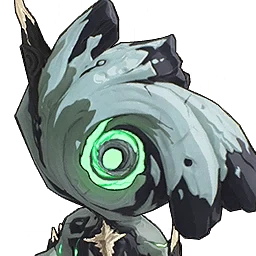
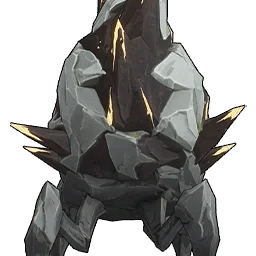
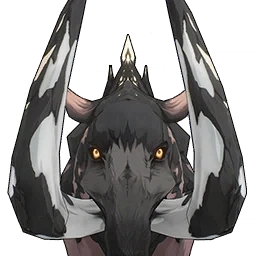
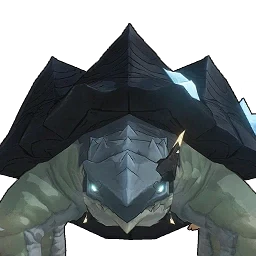
Echoes are monsters you absorb and equip for stats, an active skill and sonata set bonuses. Match five echoes of the same sonata to power up your resonator.
No echoes match these filters. Clear a filter or the search box and try again.
 1-Cost


 4-Cost


 3-Cost

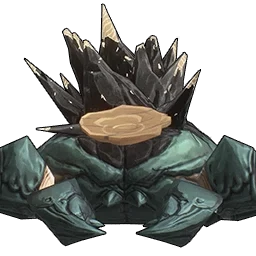 1-Cost

 4-Cost

 4-Cost
 4-Cost

 4-Cost

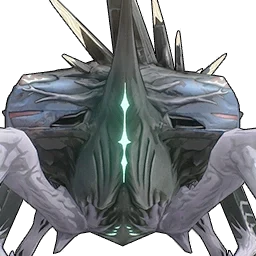 3-Cost
 1-Cost
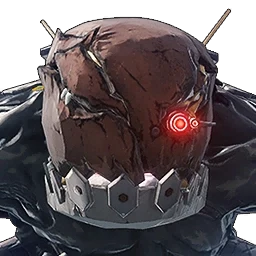 4-Cost
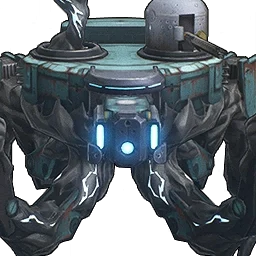 3-Cost
 1-Cost
 1-Cost
 4-Cost
 4-Cost

 1-Cost

 1-Cost
 3-Cost
 3-Cost
 3-Cost
 4-Cost
 4-Cost
 1-Cost

 1-Cost

 1-Cost

 1-Cost
 1-Cost
 1-Cost
 1-Cost
 1-Cost
 1-Cost
 1-Cost
 1-Cost
 1-Cost
 3-Cost
 3-Cost
 3-Cost
 3-Cost
 3-Cost
 3-Cost
 3-Cost
 3-Cost
 3-Cost
 4-Cost
 4-Cost
 4-Cost
 4-Cost
 4-Cost
 4-Cost
 4-Cost
 4-Cost
 4-Cost
 4-Cost
 4-Cost
 1-Cost
 1-Cost
 1-Cost
 3-Cost

 3-Cost
 1-Cost
 1-Cost
 1-Cost

 1-Cost
 1-Cost
 1-Cost
 3-Cost
 4-Cost
 4-Cost
 1-Cost

 1-Cost
 1-Cost
 1-Cost
 3-Cost
 3-Cost
 4-Cost
 4-Cost
 4-Cost

 4-Cost

 1-Cost
 1-Cost
 3-Cost
 3-Cost

 4-Cost

 4-Cost
 4-Cost
 3-Cost
 3-Cost
 1-Cost
 1-Cost
 1-Cost
 1-Cost
 4-Cost

 3-Cost
 1-Cost
 1-Cost
 1-Cost
 1-Cost
 3-Cost
 1-Cost


 1-Cost


 1-Cost
 1-Cost
 1-Cost
 3-Cost
 3-Cost

 3-Cost

 3-Cost
 3-Cost

 3-Cost
 3-Cost
 3-Cost
 3-Cost
 3-Cost
 4-Cost
 4-Cost
 4-Cost
 4-Cost

 3-Cost
 3-Cost
 3-Cost
 1-Cost
 1-Cost
 3-Cost
 4-Cost
 4-Cost
 4-Cost

 1-Cost

 1-Cost

 1-Cost
 1-Cost

 1-Cost
 1-Cost
 1-Cost
 1-Cost
 1-Cost
 1-Cost
 1-Cost
 1-Cost
 1-Cost
 3-Cost
 3-Cost
 4-Cost
 4-Cost
 4-Cost
 4-Cost
 1-Cost
 4-Cost
 4-Cost
 3-Cost
 3-Cost
 4-Cost
 1-Cost
 1-Cost
 1-Cost
 1-Cost
 3-Cost
 3-Cost
 3-Cost
 3-Cost
 4-Cost
 4-Cost
 4-Cost
 4-Cost
 3-Cost
 3-Cost
 4-Cost
 1-Cost
 3-Cost
 3-Cost
 4-Cost
 4-Cost
 3-Cost
 3-Cost
 1-Cost
 1-Cost
 3-Cost
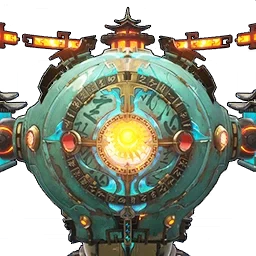 4-Cost
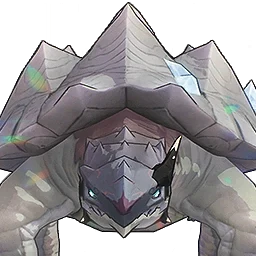 1-Cost
 1-Cost
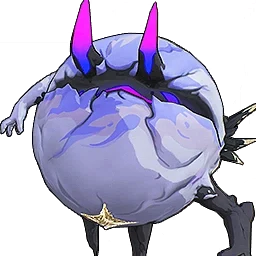 1-Cost
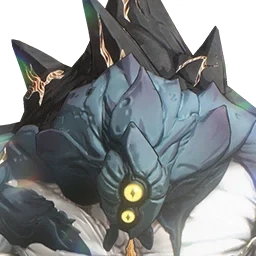 3-Cost
 1-Cost
 3-Cost
 4-Cost
 1-Cost
 1-Cost
 3-Cost
 4-Cost
 1-Cost
 1-Cost
 1-Cost
 1-Cost
 1-Cost
 1-Cost
 1-Cost
 1-Cost
 1-Cost
 1-Cost
 1-Cost
 1-Cost
 1-Cost
 1-Cost
 1-Cost
 3-Cost
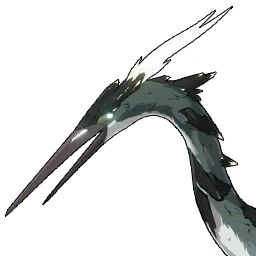 3-Cost
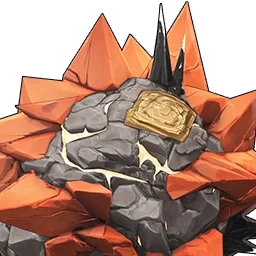 1-Cost
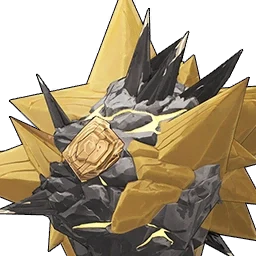 1-Cost
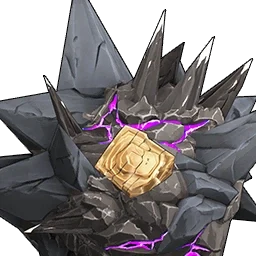 1-Cost
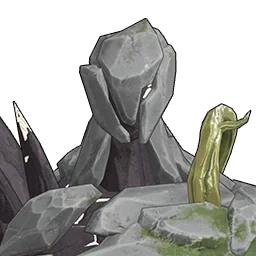 3-Cost
 3-Cost
 3-Cost
 3-Cost
 3-Cost
 3-Cost
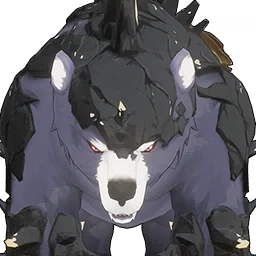 3-Cost
 4-Cost
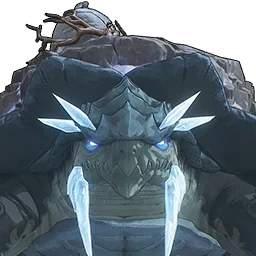 4-Cost
 4-Cost
 1-Cost
 4-Cost

What is an Echo?
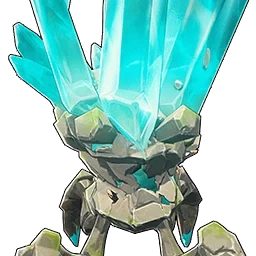
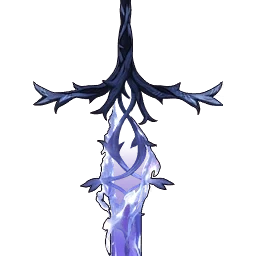
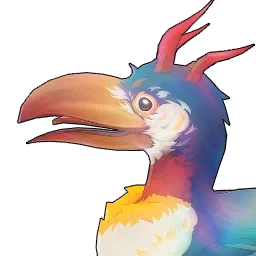
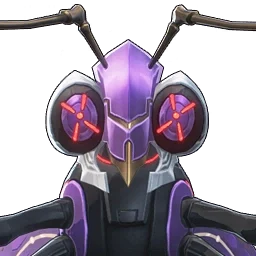
An Echo is Wuthering Waves's equivalent of gear — every Resonator equips 5 of them. Each Echo is modeled on a specific enemy or boss found out in the open world, so its icon and its Echo Skill both come from that same enemy, and it only drops once that enemy is defeated. Higher-rarity Echoes require a higher Data Bank level to appear at all.
Every Echo carries one main stat plus up to 5 substats, revealed one at a time through Tuning, which consumes Tuner materials. Substat values roll within a fixed range regardless of rarity — a Crit Rate substat, for instance, always lands between 6.3% and 10.5% per roll, across 8 possible roll tiers (flat ATK/DEF only have 4).

What the 4/3/1 cost chip means
Every Echo card shows a cost of 4, 3, or 1, and the 5 Echoes on one Resonator share a cost budget rather than each being independently powerful. The two loadouts you'll see most are 4-3-1-1-1 (one big Echo, one mid Echo, three small ones) and 4-4-1-1-1 (two big Echoes). Cost also gates which main stat pool an Echo rolls from: 4-cost Echoes can carry Crit Rate, Crit DMG or Healing Bonus; 3-cost Echoes carry an elemental DMG bonus or Energy Regen; 1-cost Echoes carry ATK%, HP% and similar. That's why the 4-cost slot is almost always the main Echo, matching the team's core damage element.

Sonata sets: the chip on every card
Every Echo belongs to one or more Sonata families, shown as a chip on its card and as a filter above the grid — there are 34 Sonata sets in total. Equipping 2 pieces of the same Sonata unlocks a flat bonus (commonly +10% to an elemental DMG type or Healing), while 5 pieces unlocks that Sonata's signature effect, the one that actually defines a build around Crit stacking, an elemental status, or team support. Because most builds need the full 5-piece bonus, the Sonata chip is the quickest way to tell whether an Echo fits the team — see every set's full 2pc/5pc effect on the Sonata sets page.

Echo Skill and Nightmare Echoes
The Echo in the main slot also lends its Echo Skill, an active ability — usually the boss's signature attack — that a Resonator triggers mid-combo. From version 2.0 onward, many Echoes have a Nightmare variant that hits noticeably harder than the standard version of the same Echo. Most Nightmare Echoes only need to sit in the main slot to grant their buff, with no need to actually summon or activate them; the Nightmare Impermanence Heron is the one exception, tied to a different Sonata interaction instead.
Farming Echoes: overworld vs Tacet Field
Common Echoes spawn from ordinary enemies scattered across the open world and cost nothing but time to farm. The strongest 4-cost Echoes, nicknamed Calamity Echoes, only drop from Tacet Field bosses, and each Tacet Field fight consumes Waveplate — the game's stamina resource — so most players clear one boss and farm one Echo set per session rather than several at once. Once you've pulled a full set, run its substats through the echo score tool to check whether the roll is worth keeping, or browse the Sonata sets page to compare every 2-piece and 5-piece effect before deciding what to farm next.

How to read each detail page
Where to Farm This Echo: Open-World Drops vs Tacet Field
Echoes drop from two different sources, and which one applies to this echo depends on its sonata family and cost.
- Open-world enemies anywhere on the map drop echoes for free, no stamina cost — this is the main way to pick up common echo bases and off-cost pieces.
- Tacet Field encounters are dedicated boss fights that cost Waveplate (the game's stamina resource) to enter, and each Tacet Field is tied to a specific sonata set — so you farm one sonata bundle at a time rather than random drops.
- The heaviest cost-4 echoes, often called Calamity echoes by the community, only drop from Tacet Field bosses — there's no open-world shortcut for the strongest cost-4 pieces.
Before spending Waveplate, confirm this echo's sonata set is actually the one your build needs — Tacet Field runs are repeatable but each run only targets one set.
Reading This Echo's Cost and Main Stat
Every echo carries a fixed cost of 4, 3, or 1, and that cost locks in exactly which main stat options are even possible on it.
- Cost 4 slots roll the highest-impact main stats — Crit Rate up to 22.0% or Crit DMG up to 44.0% at level 25, plus a Healing main stat option. This is the slot worth being pickiest about.
- Cost 3 slots roll elemental DMG Bonus up to 30.0% or Energy Regen up to 32.0% — match the element to the character's actual damage type or the slot is wasted.
- Cost 1 slots roll HP% up to 22.8%, flat HP up to 2280, or ATK% options, and are the cheapest slots to fill out a team's total cost.
- Total team cost is capped, so the standard 4-3-3-1-1 layout balances one big main-stat slot with cheaper filler, while some builds run 4-4-1-1-1 when two strong main stats matter more than a cost-3 slot.
If this echo doesn't sit in the cost slot your build actually needs, it's filler — check the team's target cost layout before deciding to level or Tune it further.
Tuning Substats: What to Prioritize by Role
Substats don't appear the moment an echo drops — each of the 5 substat lines only unlocks (and can be re-rolled) by spending a Tuner on it, and every substat has 8 possible roll levels (flat ATK and flat DEF only have 4).
- Crit Rate rolls between 6.3% and 10.5% per line, Crit DMG between 12.6% and 21.0% — these are the two lines a DPS or Sub-DPS role should chase hardest.
- DPS / Sub-DPS builds: prioritize Crit Rate and Crit DMG first, then ATK% and matching skill-type DMG%, with flat ATK and Energy Regen as lower priority and HP/DEF worth nothing.
- Healer / Support builds: flip the priority entirely toward HP%, Energy Regen, and DEF%, with Crit Rate/DMG barely mattering — a support echo loaded with Crit substats is usually a wasted roll.
- Substat values come from a fixed pool that doesn't depend on the echo's rarity, so a low-rarity echo can out-roll an expensive high-rarity one if the lines land right.
Run this echo's current substats through the Echo Scorer tool on GameVika to get a role-weighted score instead of eyeballing whether a roll is worth keeping.
What "Nightmare" Means on an Echo Version
Since version 2.0, some echoes have a Nightmare variant — a stronger version of the base echo that behaves differently from a normal echo's passive.
- A Nightmare echo's buff activates just by being equipped in the main slot — no need to summon it or trigger anything extra to get the passive benefit, which fits fast-swap rotations well.
- The one notable exception is Impermanence Heron, which belongs to a different sonata family and doesn't follow this equip-only rule.
- If this page's echo has a Nightmare version, treat it as generally the stronger pick over the base version for the same sonata set, all else equal.
Check whether the specific echo on this page is a Nightmare variant or the base version before assuming its buff behavior — the two don't always work the same way.
Using This Echo's Skill in Your Rotation
Whichever echo sits in the main slot also determines the active Echo Skill a character can trigger mid-combat — separate entirely from the sonata set bonus.
- Combat in Wuthering Waves revolves around building Concerto Energy through attacks, then swapping out to fire an Outro Skill that buffs whoever swaps in next to use their Intro Skill — the quick-swap chain that defines rotations.
- An Echo Skill is triggered manually during this chain, so its best use depends on the cooldown and effect of the specific echo — some are best fired right before an Outro Skill swap, others work better as a standalone burst when nothing else is on cooldown.
- Changing which echo occupies the main slot changes both the Echo Skill available and, if it's a Nightmare echo, the passive buff — so a main-slot swap is really two decisions bundled into one.
Slot this echo's skill into the rotation window where its cooldown lines up cleanest with your swap-cancel timing, rather than firing it on cooldown regardless of context.
FAQ
How many Echoes and Sonata sets does Wuthering Waves have?
What does the Echo cost number (4/3/1) mean?
What's the difference between a Nightmare Echo and a normal one?
Where do you farm Echoes?
Should I farm open-world enemies or Tacet Field first?
What's the practical difference between a cost-4 and a cost-1 echo?
Do I need to summon a Nightmare echo to get its buff?
How do I know if this echo's substats are actually good?
Tools · Wiki · Redeem codes · Banner & event schedule · Characters · Tier List