3,761 Cards
Every card in Pokémon TCG Pocket, filterable by element, card type, rarity and set.
The full Pokémon TCG Pocket card index — 3,761 cards across every set. Filter below or search by name.
Charizard ex is one of the rarest cards here — try the calculator to see how many packs it takes to pull it.


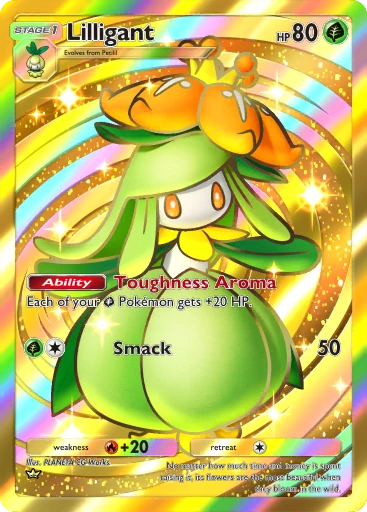
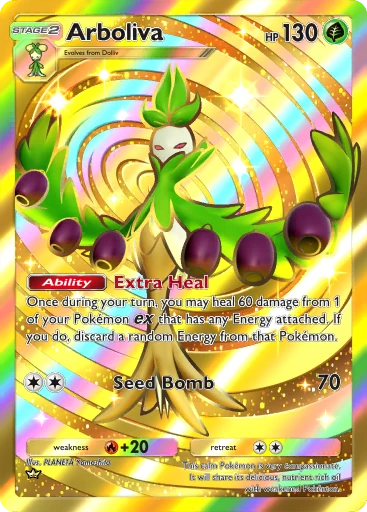
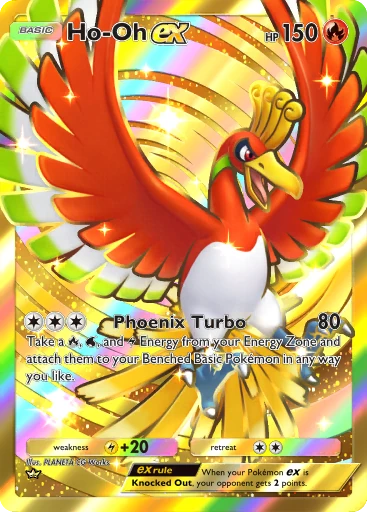
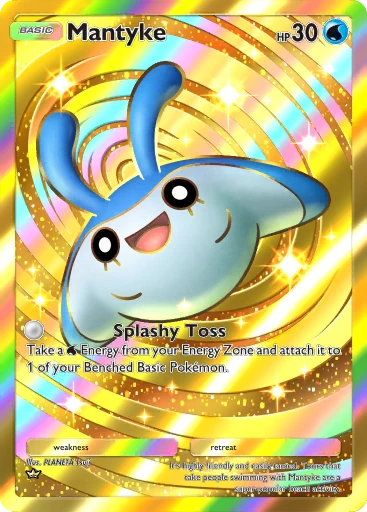


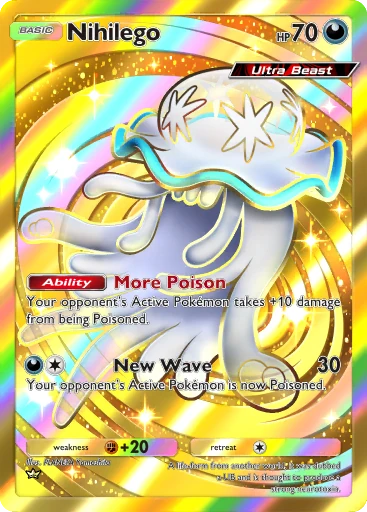
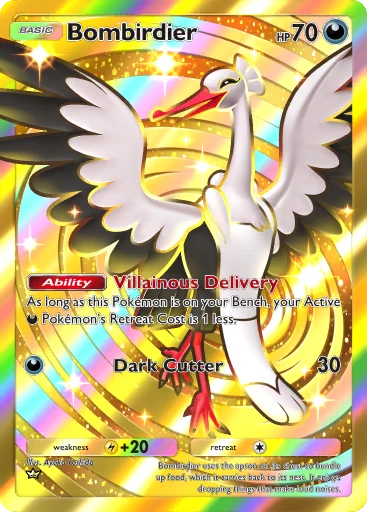


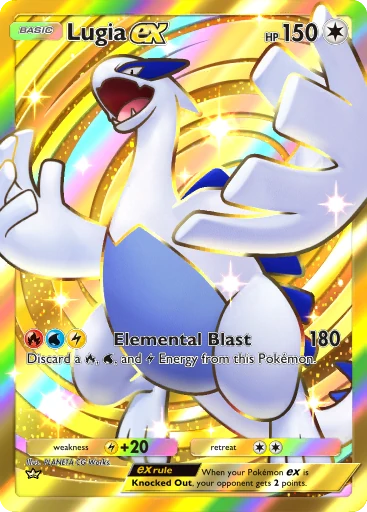
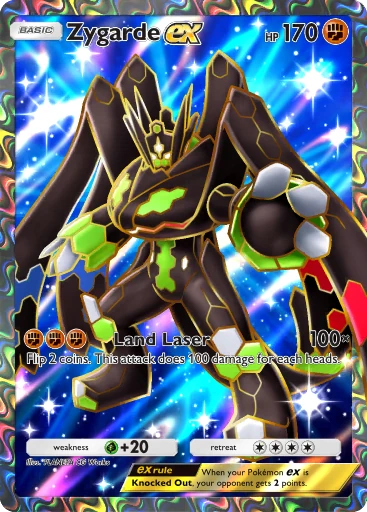
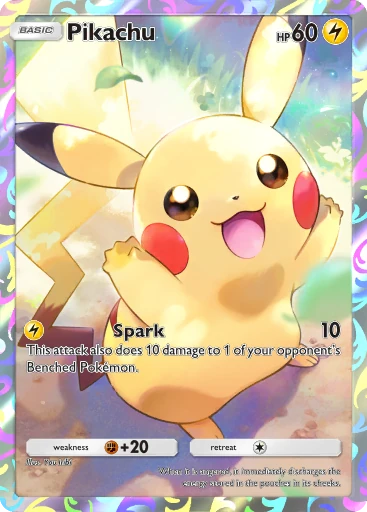
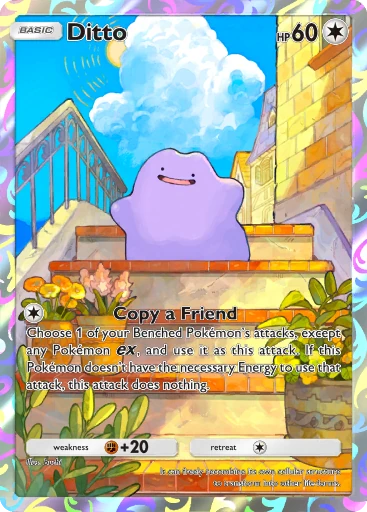
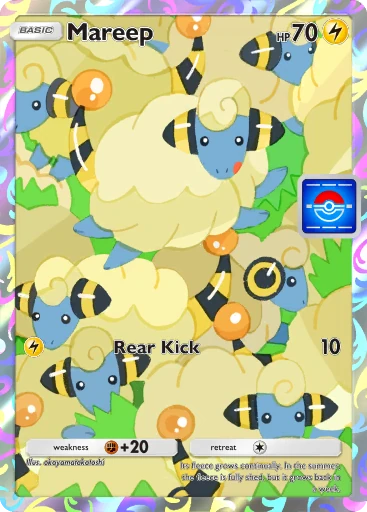
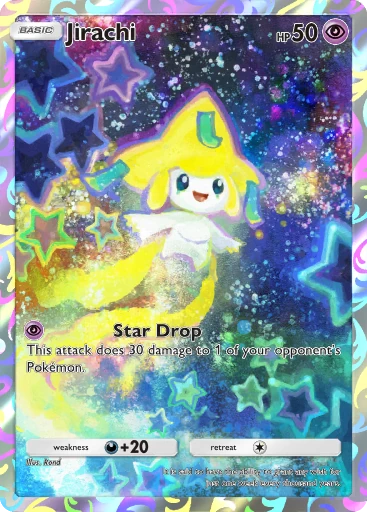


No cards match these filters.
All 11 rarity grades: Pack Points, trade cost, tradability
Read straight from the official rarity table, all 11 grades including the two Shiny grades. Opening any pack gives 5 Pack Points (an official in-game mechanic, not part of the drop-rate table), so the points column doubles as a pack count.
| Rarity | Pack Points | Packs to afford it | Trade cost |
|---|---|---|---|
| Common | 35 | 7 | Free |
| Uncommon | 70 | 14 | Free |
| Rare | 150 | 30 | 1,200 Shinedust |
| Double Rare | 500 | 100 | 5,000 Shinedust |
| Art Rare | 400 | 80 | 4,000 Shinedust |
| Super Rare | 1,250 | 250 | 25,000 Shinedust |
| Special Art Rare | 1,250 | 250 | 25,000 Shinedust |
| Immersive Rare | 1,500 | 300 | Cannot be traded |
| Shiny | 1,000 | 200 | 10,000 Shinedust |
| Shiny Super Rare | 1,350 | 270 | 30,000 Shinedust |
| Crown Rare | 2,500 | 500 | Cannot be traded |
Trade costs come from the official offering data. Some community sources list a lower cap on what can be traded, so treat the 2-star grades and above as data-sourced and worth confirming in-game before you break a duplicate. Immersive Rare and Crown Rare are flagged untradable in the data itself.
The Pokémon TCG Pocket Card Database: 3,761 Cards, 22 Sets
Every Pokémon TCG Pocket cards page here draws from the same underlying database: 3,761 cards spread across 22 sets and 26 packs. Instead of guessing at a card's stats or copying a number from a screenshot, every entry is built from that structured dataset, which means the same numbers stay consistent whether you are browsing the full list or a single card's page. The database covers every Pokémon, Trainer, and Supporter card released so far, and each card carries its rarity tier, its energy type, its attack costs, and which pack or packs it can actually be pulled from.
Why the Pack a Card Belongs To Matters
Rare cards in this game are not spread evenly across every pack — most higher-rarity cards are locked to one specific pack within a set, sometimes two. That means opening the wrong pack for a set gives you a zero percent chance at the card you actually want, no matter how many packs you open. Before spending Pack Points or opening packs toward a specific card, check which pack variant that card actually belongs to. This is the single most common mistake new players make with packs — assuming every pack in a set shares the same pull pool, when in practice each pack variant has its own distinct rare card lineup.
Rarity Tiers and What They Cost in Pack Points
Every card sits in a rarity grade, and each grade carries a fixed Pack Point price to exchange for it outright instead of relying on luck. Opening any pack gives 5 Pack Points (an official in-game mechanic, not part of the drop-rate table), and points are tracked per pack. The table on this page reads all 11 grades straight from the official rarity data: Pack Points to exchange, Shinedust to trade. (Three Foil variants — Common, Uncommon, Rare Foil — are parallel prints of their base grade with no Pack Point of their own, so they don't get a separate row here.) - Common 35 points, Uncommon 70, Rare 150 (1,200 Shinedust), Double Rare 500 (5,000) - Art Rare 400 (4,000), Super Rare 1,250 (25,000), Special Art Rare 1,250 (25,000) - Shiny 1,000 (10,000), Shiny Super Rare 1,350 (30,000) - Immersive Rare 1,500 points, cannot be traded - Crown Rare 2,500 points, cannot be traded Source note: the official offering data allows trading up to the 2-star grades and the Shiny grades, but some community sources list a lower cap. Treat anything from 2 stars up as data-sourced and worth confirming in game before you break a duplicate. Immersive Rare and Crown Rare are flagged untradable in the data itself, in every case.
How Pull Odds Actually Work, Slot by Slot
Pull rates are set per slot, not per card, and the number of slots depends on the pack type. A standard Regular Pack gives 5 cards with slots 1 to 3 always Common. But the Deluxe Pack: ex in set A4b gives only 4 cards, where slot 2 lands Uncommon 82.27 percent of the time, slot 3 is the rare slot, and slot 4 is a guaranteed Double Rare; and 10 sets carry a Regular Pack +1 variant that gives 6 cards on 5.238 to 8.33 percent of openings. So the line about the first three slots being Common describes the 5-card Regular Pack, not the whole game. Within a Regular Pack, slots 4 and 5 carry all the real odds, and slot 5 runs at about four times slot 4 on most grades above Uncommon (25 of 26 packs land exactly on 4.00×; Crimson Blaze's Crown Rare is the exception at 3.95×, due to rounding in the official source). Combining them takes the union rule, not addition: an A1 pack gives a 12.60 percent chance of at least one Art Rare, and a 0.2111 percent chance of at least one Crown Rare once the Rare Pack path is included, about 1 in 474 packs. The odds for one specific card then depend on how many other cards share its grade in that exact pack. The rarer the grade, the fewer cards compete for the slot, so a card sharing its slot with only a handful of others is markedly easier to pull than one competing with dozens in a bigger set.
Frequently asked questions
What does a card's rarity tier actually tell me?
A rarity grade decides two things at once: how hard the card is to pull, and how many Pack Points it takes to exchange for it outright without luck. High grades like Special Art Rare, Immersive Rare and Crown Rare are both rarer in the pull pool and far more expensive in points, while Common and Uncommon are cheap and fill the opening slots of a pack, slots 1 to 3 in a standard 5-card Regular Pack. That structure is not universal, though: the Deluxe Pack: ex in set A4b runs 4 cards with a different slot layout.
Which cards are actually worth spending Pack Points on?
Cards you specifically need to complete a deck you already know you want to play are the safest use of Pack Points, since points are tracked separately per pack and cannot be pooled across different packs. Because Double Rare and above cost hundreds to thousands of points, it is worth checking whether a card you want is competing in a large or small pull pool before committing points you could put toward a card locked to a smaller, easier pack.
Does the game tell me the exact odds of pulling a specific card?
The game shows odds by rarity tier per slot, not a single number for one exact card, so you have to combine two things yourself: the tier odds for slot 4 or slot 5, and how many other cards of that same tier exist in that specific pack. A card sharing its tier with very few other cards in a small pack pulls noticeably more often than one competing against a large pool in a bigger set, even when the headline tier odds look identical.