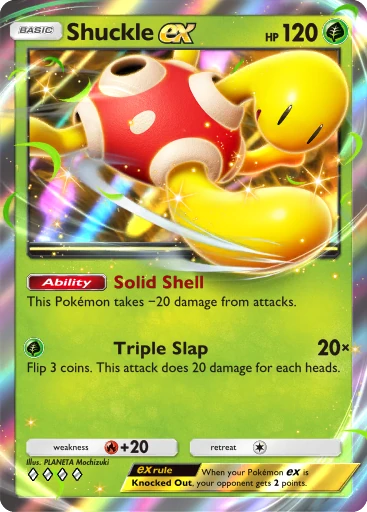
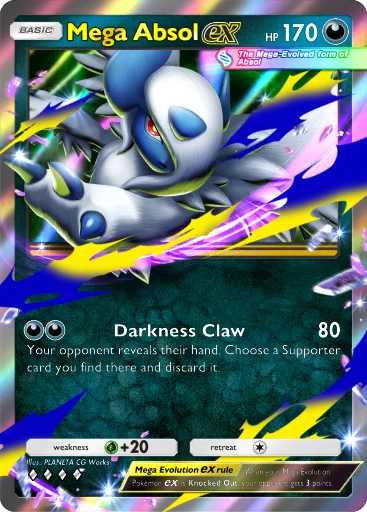
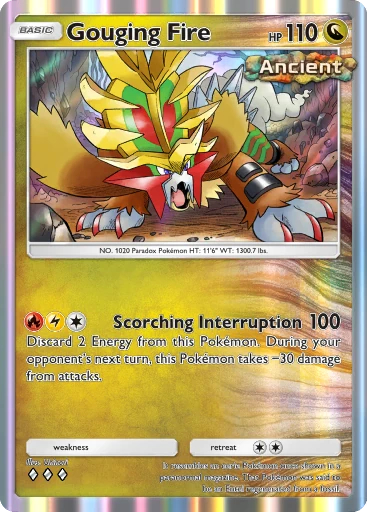
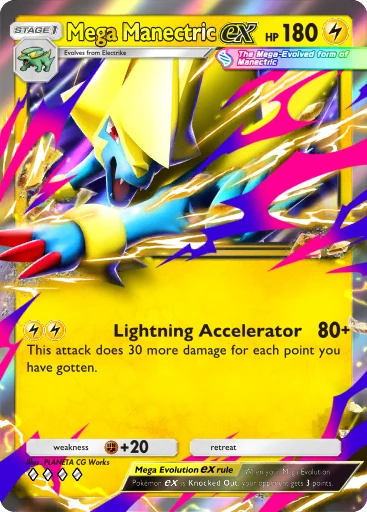
#1
A
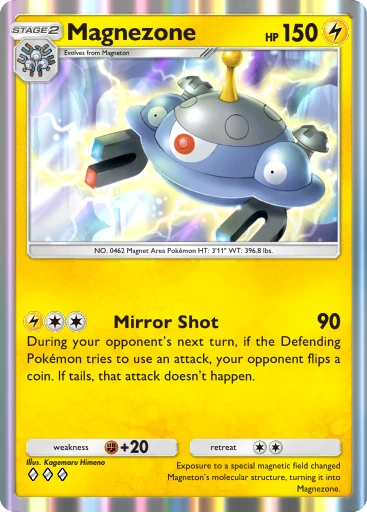
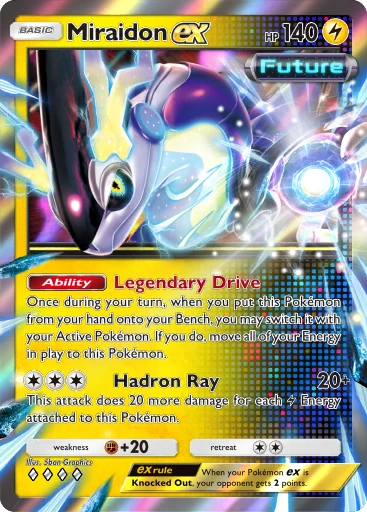
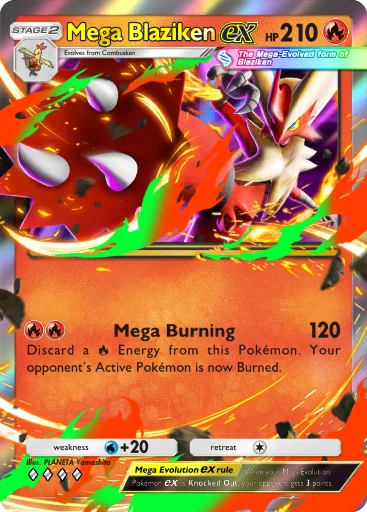
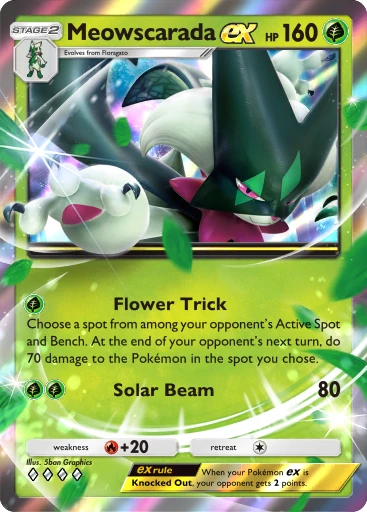
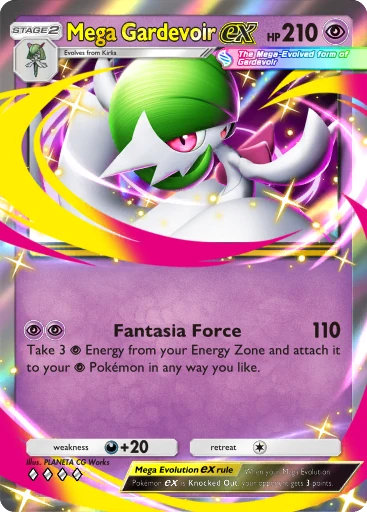
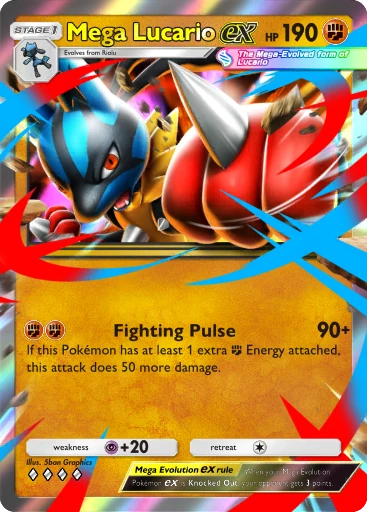
Mega Lucario ex Lucario
Fighting
Core cards

- Play rate
- 9.79%
- Win rate
- 50.73%
- Players
- 944
- Record (W–L–T)
- 2,584–2,334–176
Play rate, win rate and core cards for every deck seen in competitive Pokémon TCG Pocket.
Every one of the 50 decks played in the current B4 - Ruler of the Skies tournament meta, with the share of players running it, its win rate and the core cards it is built around. Sort by play rate, win rate or raw usage.
Every number here comes from competitive tournament results, not from the whole player base — it shows what strong players bring to events. Casual ladder decks can differ.
No decks match these filters.
Tournament data source: Limitless TCG.
Every one of these Pokémon TCG Pocket decks follows the same three rules, and getting any one of them wrong means the deck simply cannot be saved or played. A deck must contain exactly 20 cards. You can run at most 2 copies of any card sharing the same name. And no deck can include Energy cards at all — Energy is never placed in your deck, it is generated automatically from your Energy Zone once per turn based on the energy types you have set for that deck. There is also no card search in this game the way paper Pokémon TCG has supporters that dig through your deck freely — cards come from a genuinely random draw, which makes consistency and the ratio of Basic Pokémon in your 20 cards matter more than it would in a deck where you can search for what you need.
Latest tournament snapshot for the B4 format, 30/07/2026, across 102 events and 9,643 players — see the full usage share and win rate for every deck in the table right below instead of a fixed list that goes stale the moment the meta shifts. Read usage and win rate as two separate signals rather than one score — a deck's popularity tells you how many players are willing to try it, while win rate tells you whether that trust is actually paying off in games.
Almost nobody puts a price tag on a meta deck, but the cost is easy to work out from Pack Points once you know the numbers. A Double Rare card, the tier most ex Pokémon sit in, costs 500 Pack Points to trade for directly, and one pack opening earns 5 points. That means a single Double Rare card costs roughly 100 pack openings in Pack Points if you are not lucky enough to pull it. A deck built around two Double Rare ex Pokémon, which describes most of the top decks above, runs close to 1,000 Pack Points, or roughly 200 pack openings' worth, just for those two cards before counting the rest of the list. That gap between a deck's tier grade and its actual build cost is worth checking before you commit to copying a top deck exactly as shown.
If two-ex decks are out of reach right now, look for decks built around a single ex Pokémon backed by Common and Uncommon support cards — those lower rarities cost only 35 and 70 Pack Points each, a fraction of a Double Rare card. You still get a real Energy Zone strategy and a functional 20-card list, just without paying the full cost of a two-ex build up front. Swapping in a cheaper second attacker while you save points toward the more expensive card is a reasonable way to stay competitive without opening hundreds of packs first.
A deck must contain exactly 20 cards, and you can include at most 2 copies of any card that shares the same name — a third copy of that exact card is not a legal deck. Note that a Pokémon and its ex version count as different names, so 2 copies of the base Pokémon plus 2 copies of its ex form in the same deck is allowed, since they are not the same card name.
Win rate should carry more weight than usage share when you are choosing a deck to invest Pack Points into. Usage share only tells you how many other players are currently playing a deck; it does not tell you whether that deck is actually winning once it gets played. The three decks currently clearing both a 5 percent usage share and a 52 percent win rate are the ones actually backing up their popularity with results.
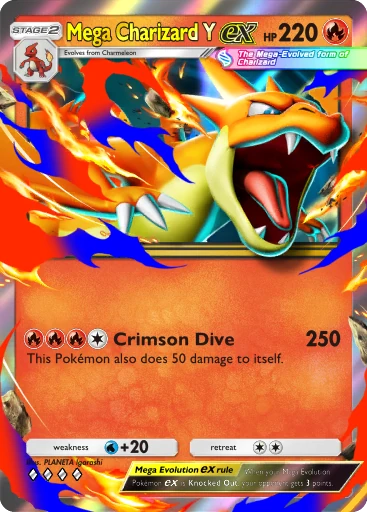
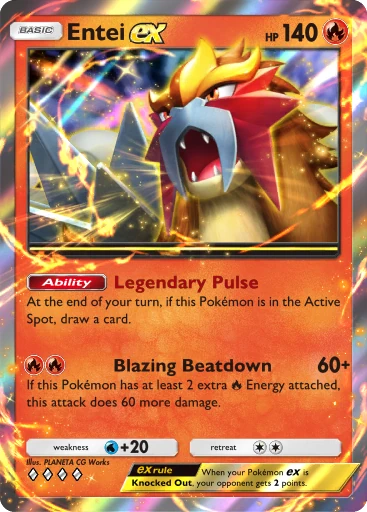
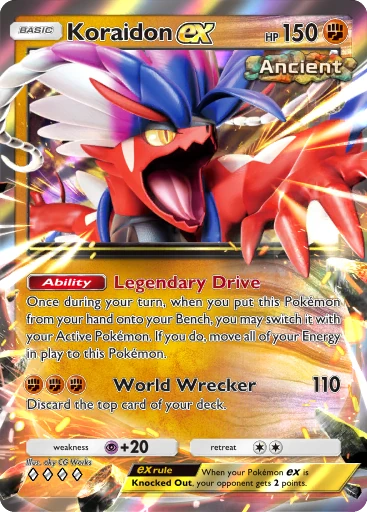
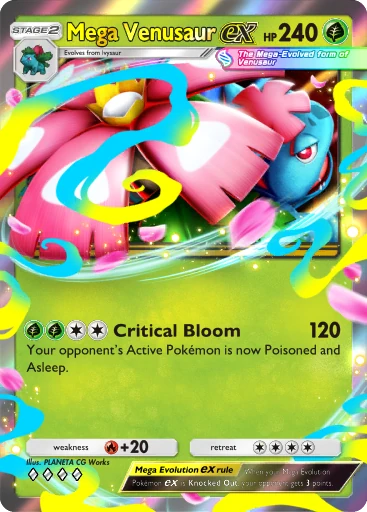
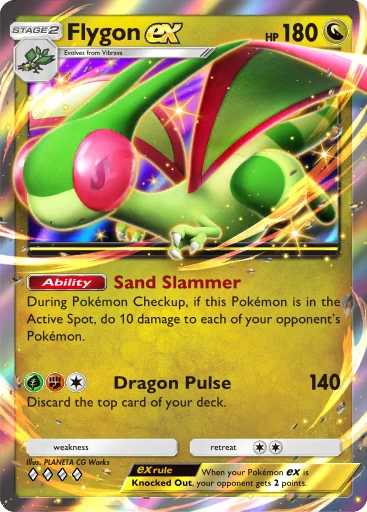
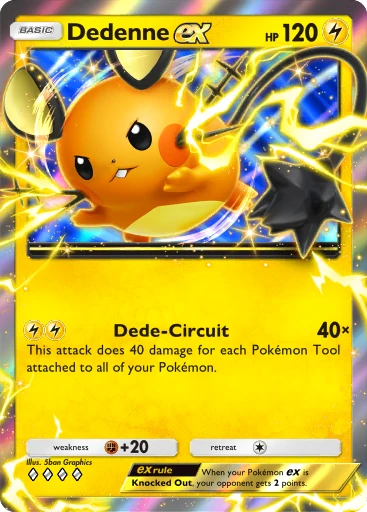
Games are won at 3 points total, and knocking out an opponent's ex Pokémon is worth more points toward that total than knocking out a regular Pokémon. That means a deck built around ex Pokémon can win faster when it is ahead, but it also hands the opponent a bigger step toward victory the moment one of its own ex Pokémon goes down first — which is part of why some heavily-played ex decks post lower win rates than their usage share alone would suggest.