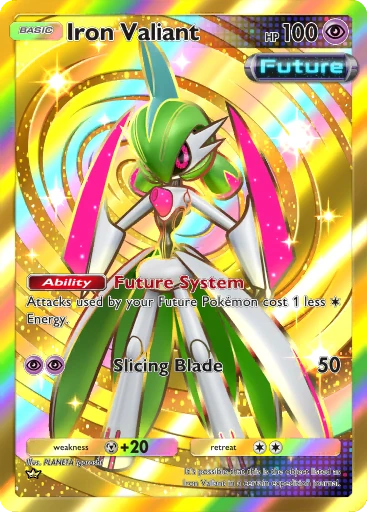
Opening the Paradox Drive pack from Paradox Drive gives you 5 cards. Slots 1-3 are always Common; slots 4-5 carry the real odds at rarer cards, shown below.
Drop rates per slot
Every pack opening deals 5 cards. Slots 1-3 always land on Common; slots 4 and 5 carry the chance at Uncommon and rarer — shown as official percentages per slot.
How many packs to pull this card?
The question players ask most, and almost no site answers. We compute it directly from this pack's official rate table.
| Rarity | Per pack | 50% chance | 90% chance | 99% chance |
|---|---|---|---|---|
| Crown Rare | 1 in 456 packs | 316 packs≈ 158 days free-to-play | 1,048 packs≈ 524 days free-to-play | 2,096 packs |
| Immersive Rare | 1 in 89 packs | 62 packs≈ 31 days free-to-play | 205 packs≈ 103 days free-to-play | 410 packs |
| Shiny Super Rare | 1 in 60 packs | 42 packs≈ 21 days free-to-play | 137 packs≈ 69 days free-to-play | 274 packs |
| Super Rare | 1 in 39 packs | 27 packs≈ 14 days free-to-play | 90 packs≈ 45 days free-to-play | 180 packs |
| Shiny | 1 in 28 packs | 20 packs≈ 10 days free-to-play | 64 packs≈ 32 days free-to-play | 127 packs |
| Double Rare | 1 in 12 packs | 9 packs≈ 5 days free-to-play | 27 packs≈ 14 days free-to-play | 54 packs |
| Art Rare | 1 in 8 packs | 6 packs≈ 3 days free-to-play | 18 packs≈ 9 days free-to-play | 35 packs |
| Rare | 1 in 4 packs | 3 packs≈ 2 days free-to-play | 9 packs≈ 5 days free-to-play | 17 packs |
| Uncommon | 1 in 1 packs | 1 packs≈ 1 days free-to-play | 1 packs≈ 1 days free-to-play | 2 packs |
| Common | 1 in 1 packs | 1 packs≈ 1 days free-to-play | 1 packs≈ 1 days free-to-play | 1 packs |
- These are probabilities, not promises. Even after opening the 99% column, there is still a 1% chance you walk away with nothing — and that is perfectly normal.
- Every pack is independent. A thousand unlucky packs do not make the next one more likely. The feeling that you are "due" is a fallacy, not a game mechanic.
- Day estimates assume the usual free pack cadence; buying packs shortens it proportionally.
Should you open the Paradox Drive pack?
Before you sink Pack Points into the Paradox Drive pack, here are the real numbers pulled straight from its own pull-rate table — not a gut feeling.
2 S/A-tier deck(s) on the meta ranking run core cards from this pack — if you play ranked, this pack is worth prioritizing.
Best pulls in the Paradox Drive pack
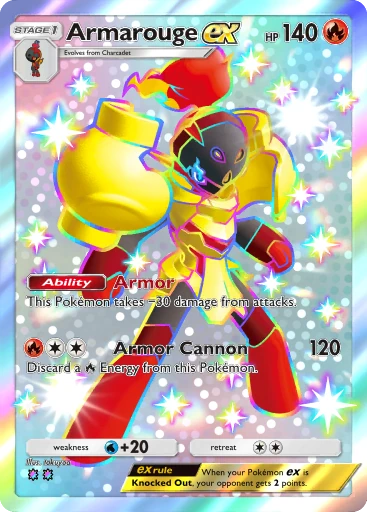
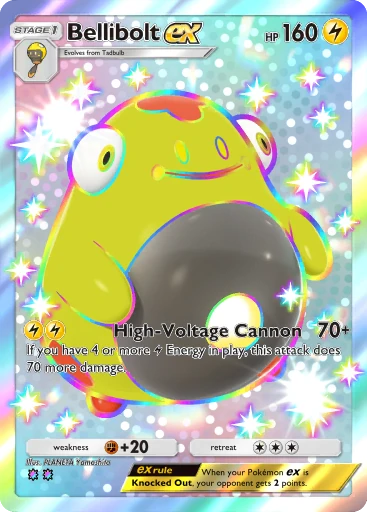
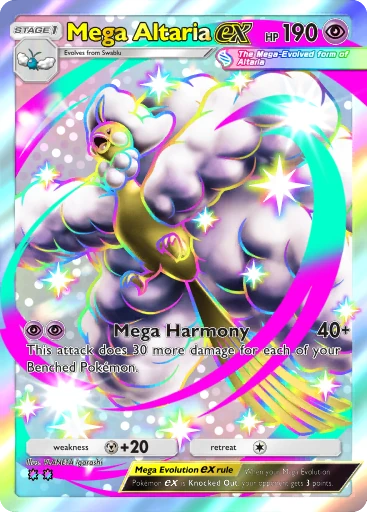
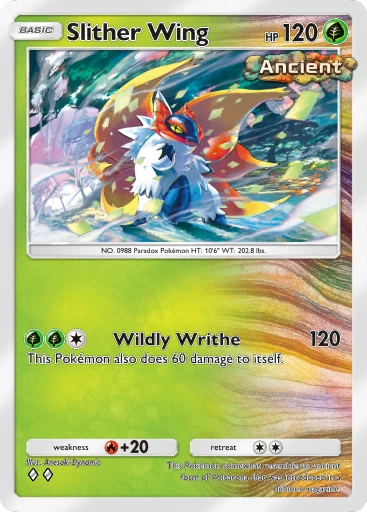
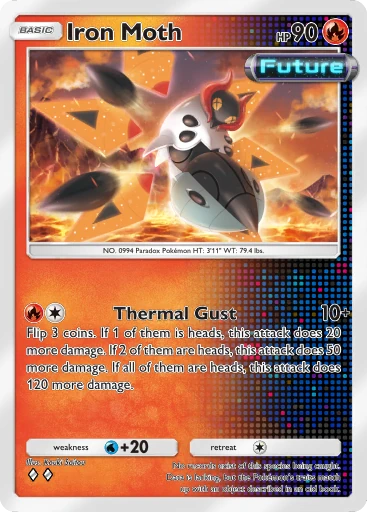
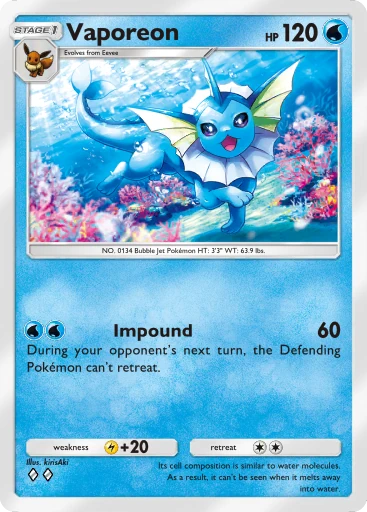
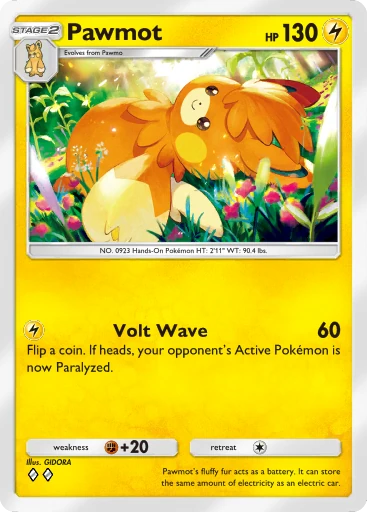
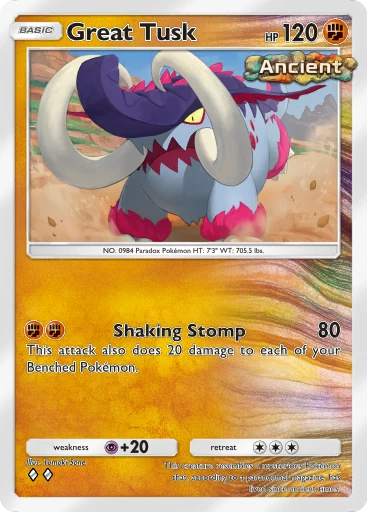
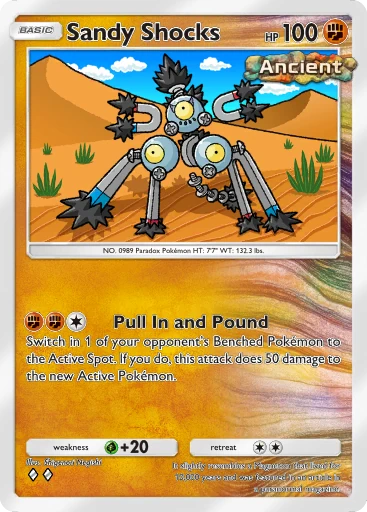
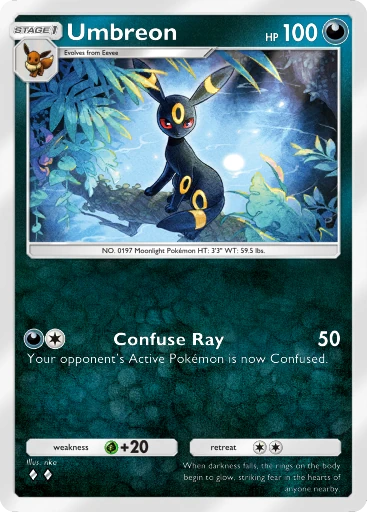
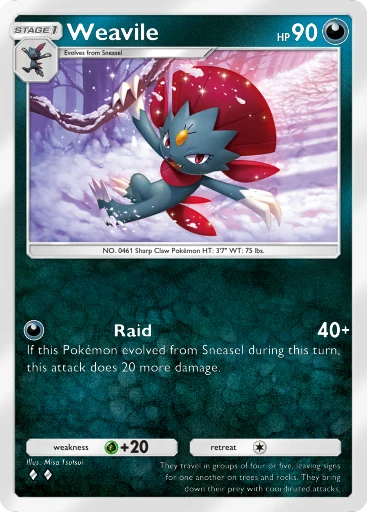
12 cardsSR-and-above cards, plus anything that's currently a core piece of an S/A-tier deck — this group decides whether the pack is worth opening.
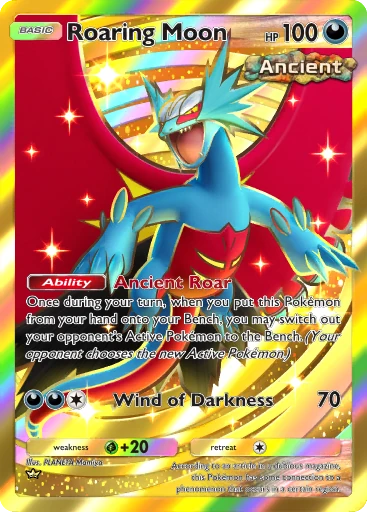
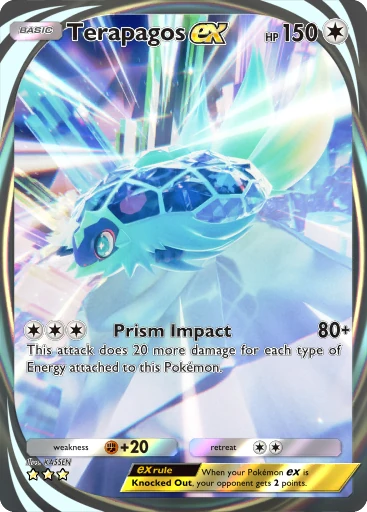
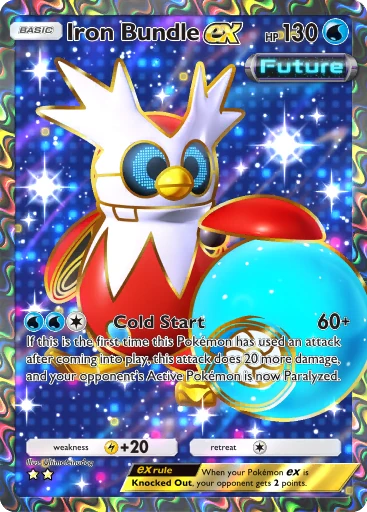
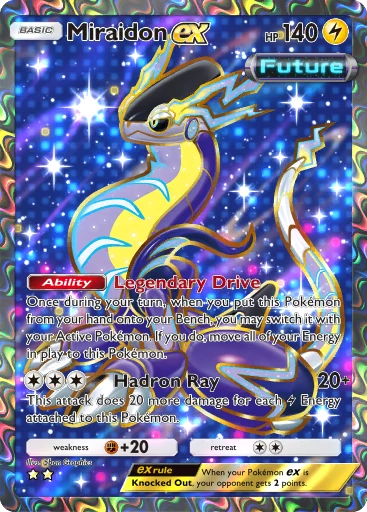
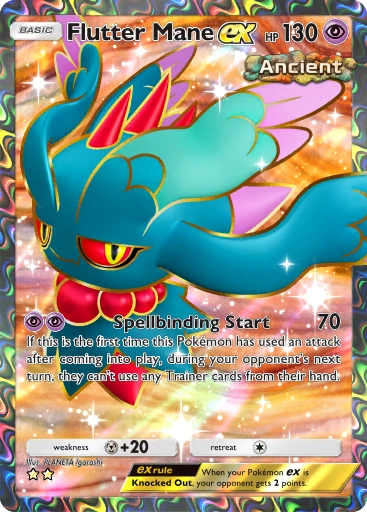
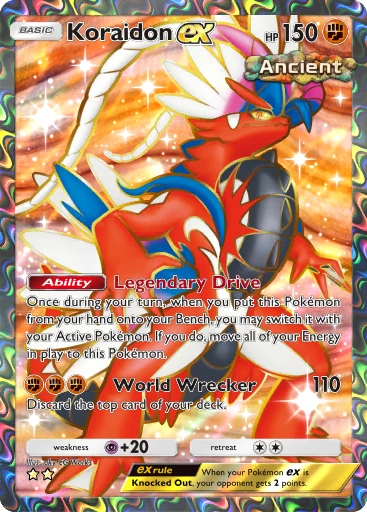
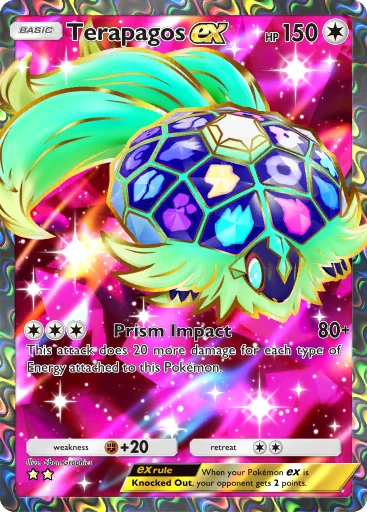
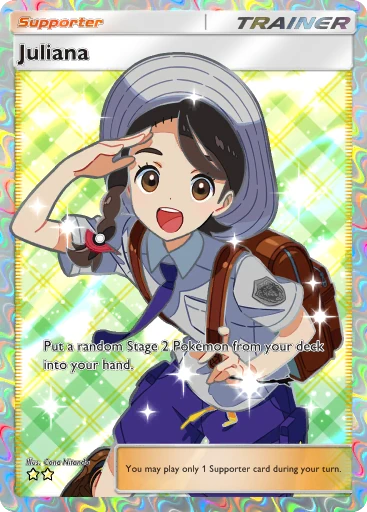
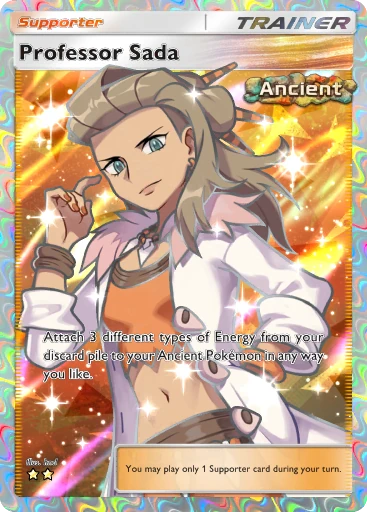
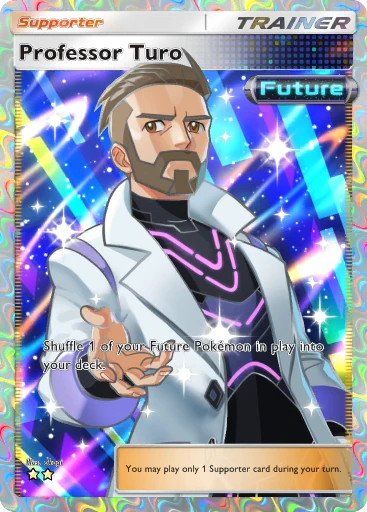
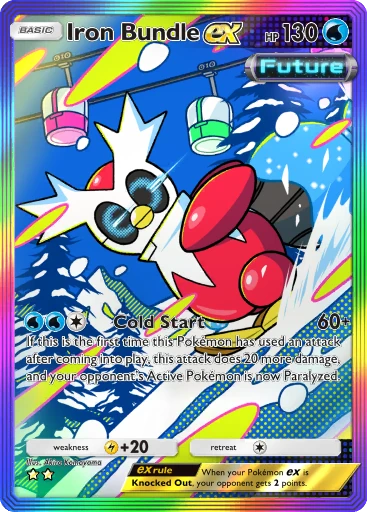
Immersive & Crown cards in the Paradox Drive pack
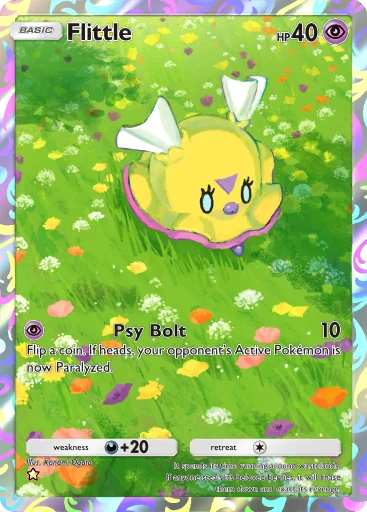
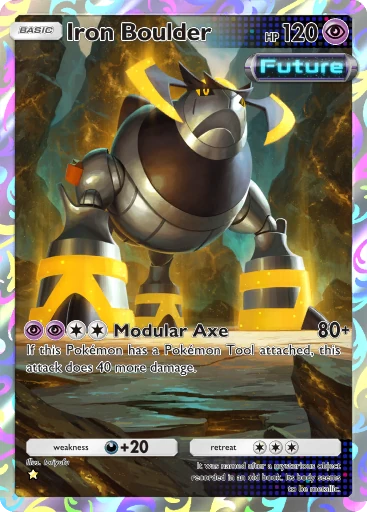
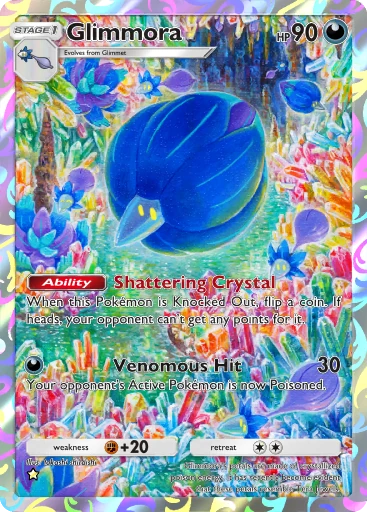
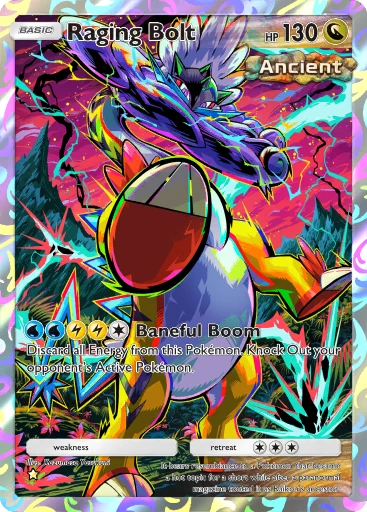
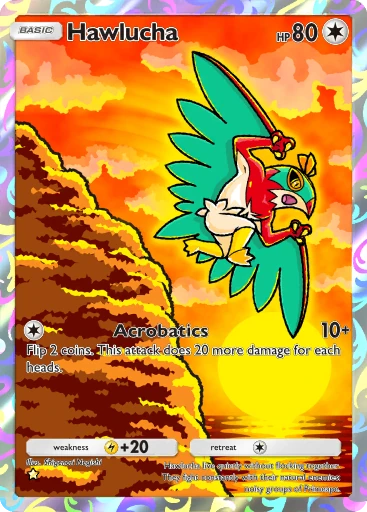
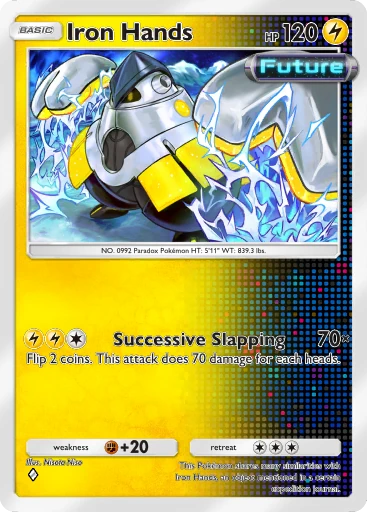
3 cardsThe rarest tiers in the game — only a handful exist per pack, and these are the ones in the Paradox Drive pack.
Decks built from the Paradox Drive pack
6 cardsCompetitive decks (from Limitless tournament data) that run core cards from this pack — sorted by usage share on the meta ranking.
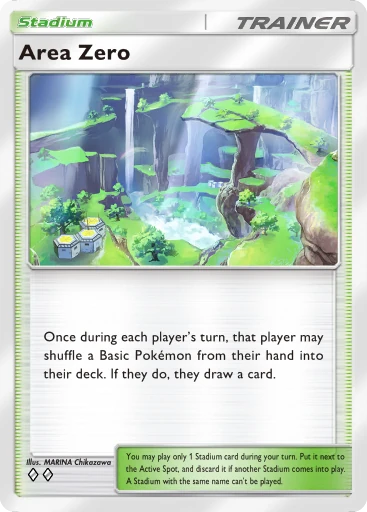
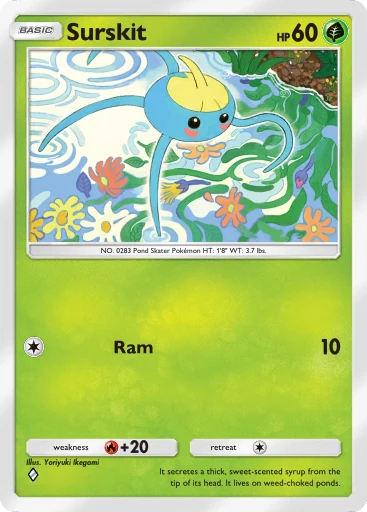
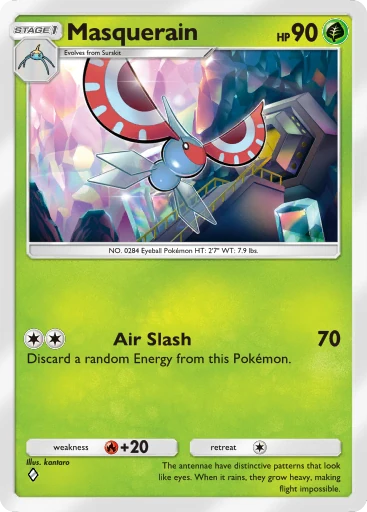
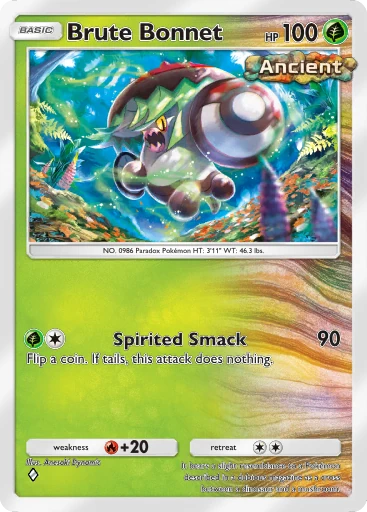
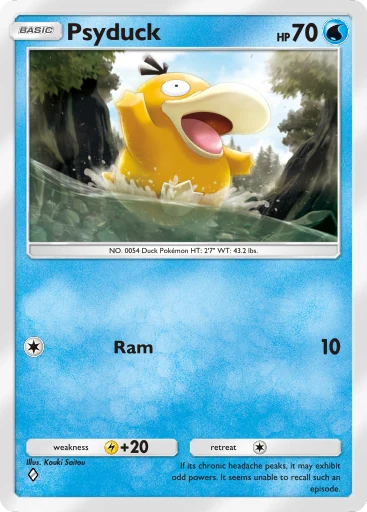
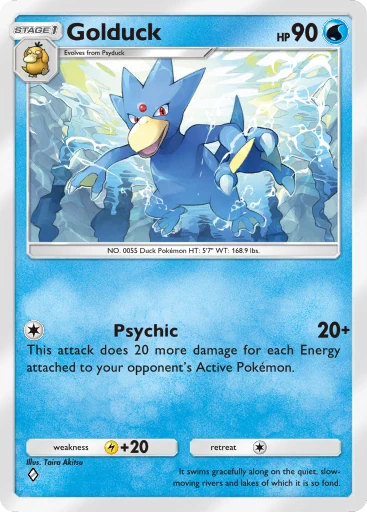
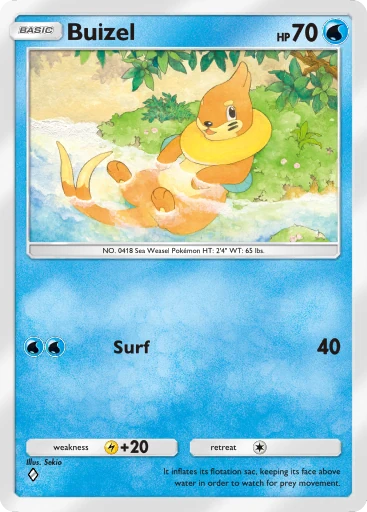
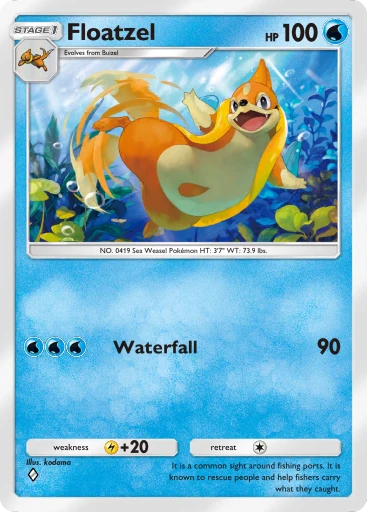
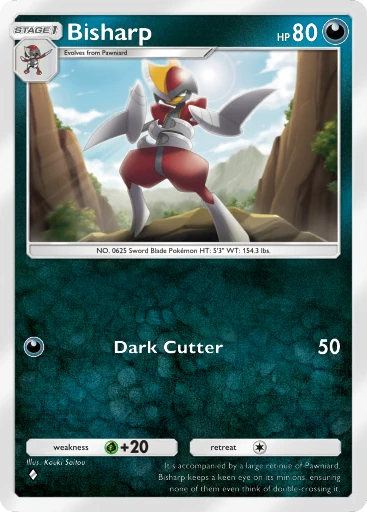
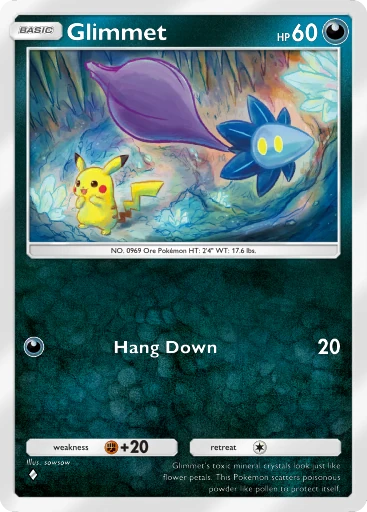
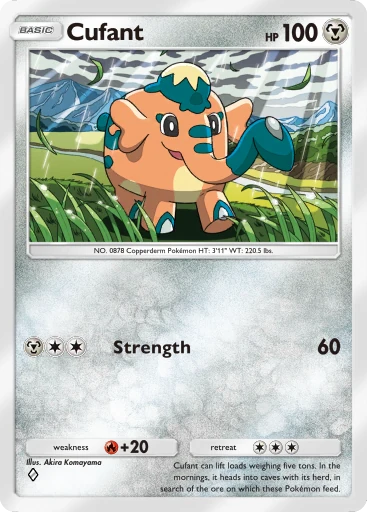
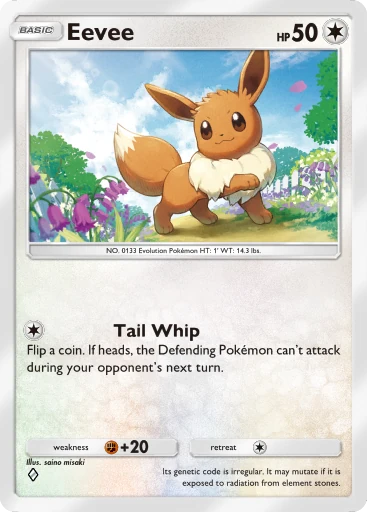
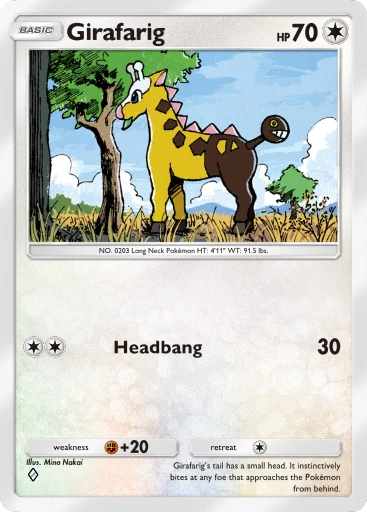
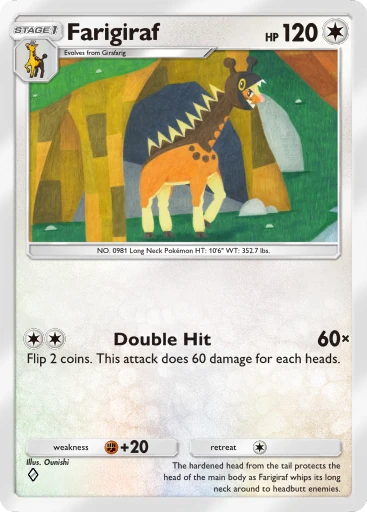
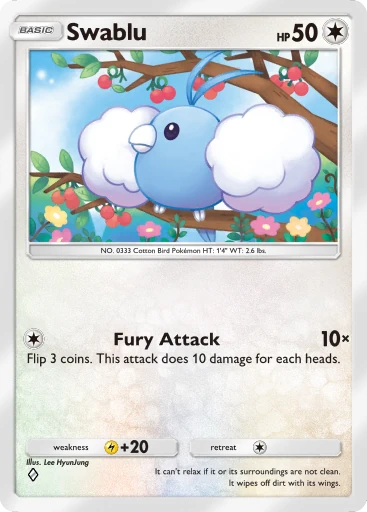
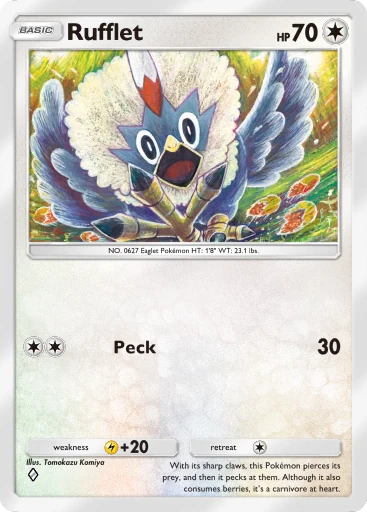
Cards in this pack
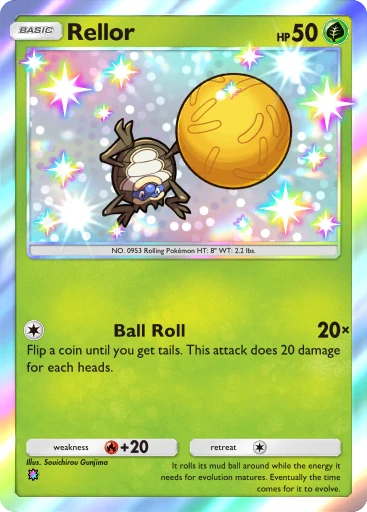
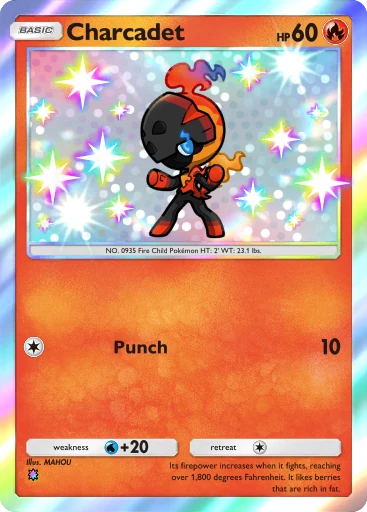
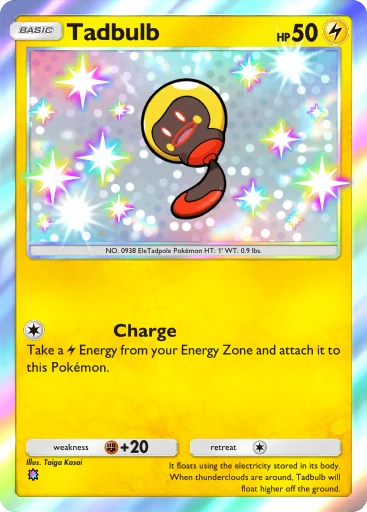
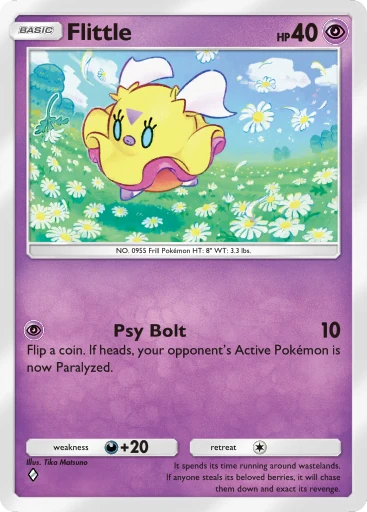
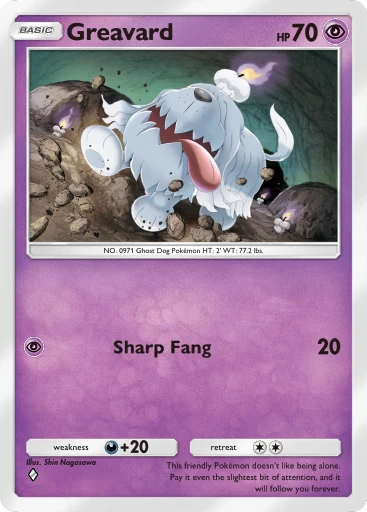
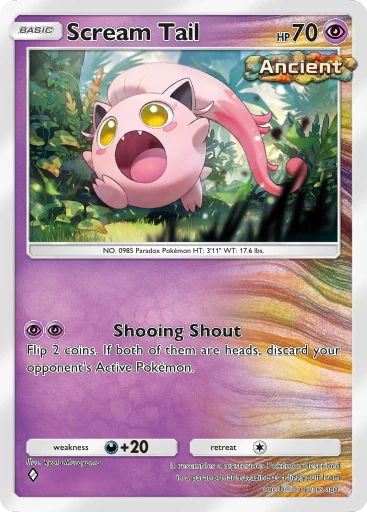
109 cards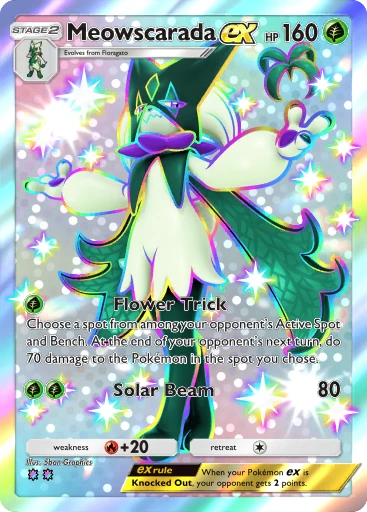
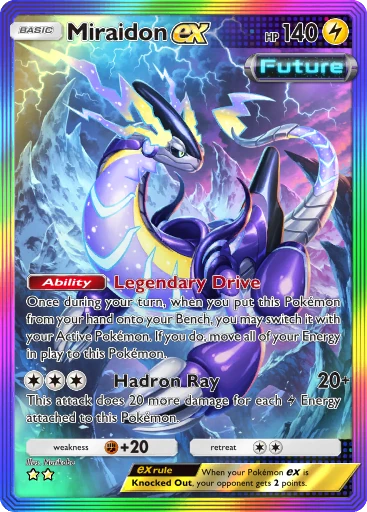
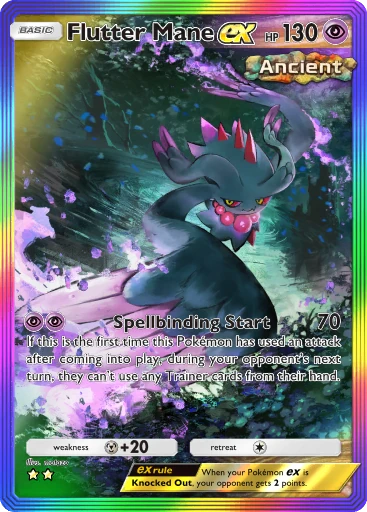
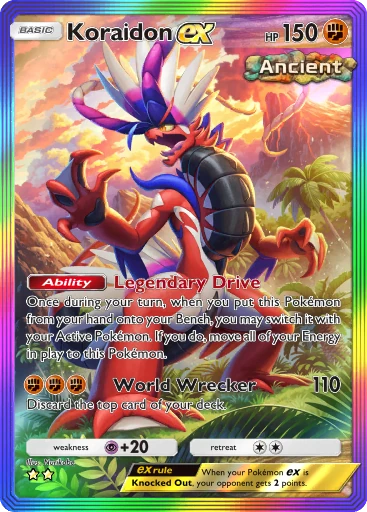
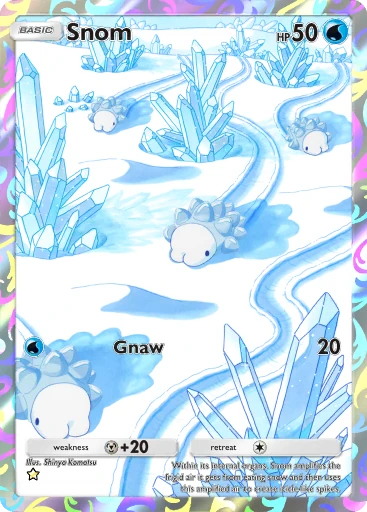
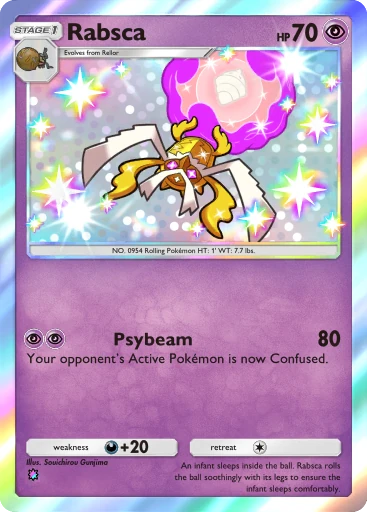
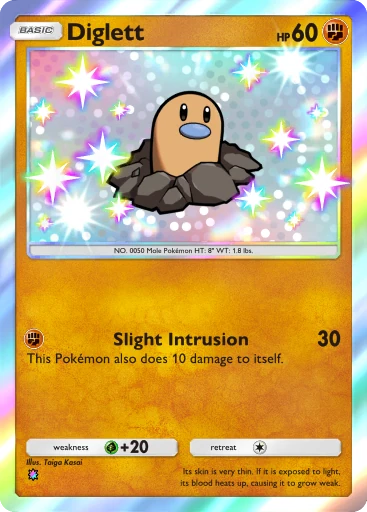
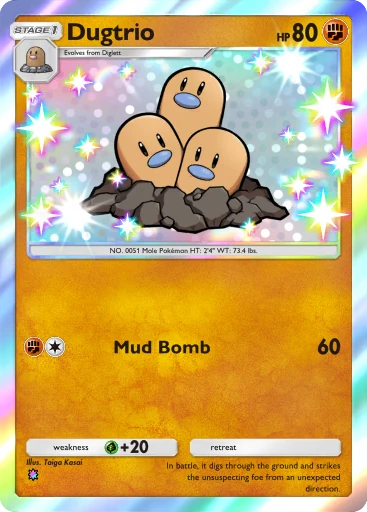
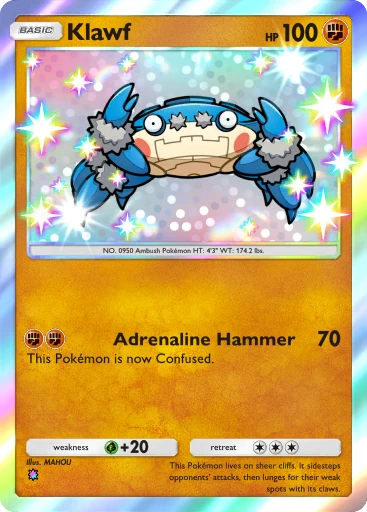
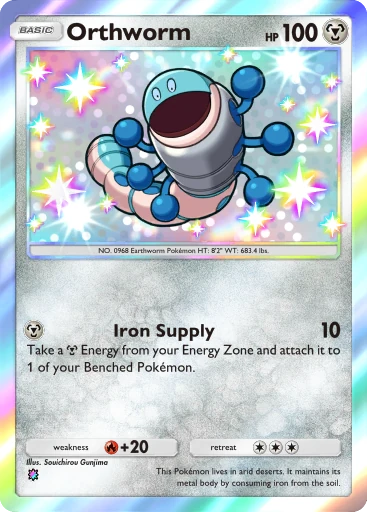
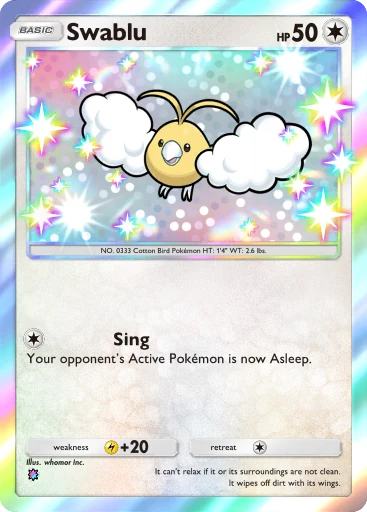
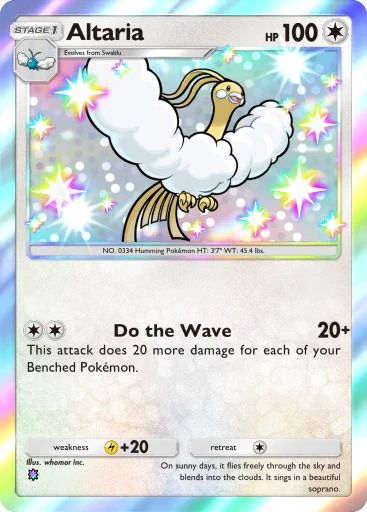
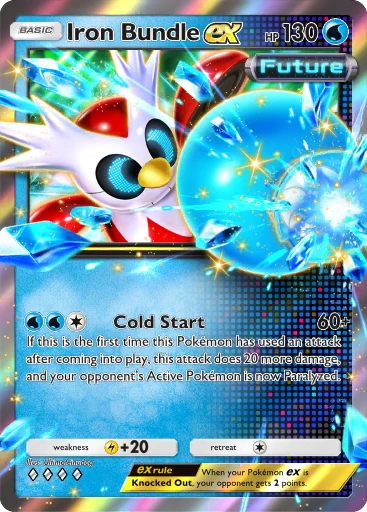
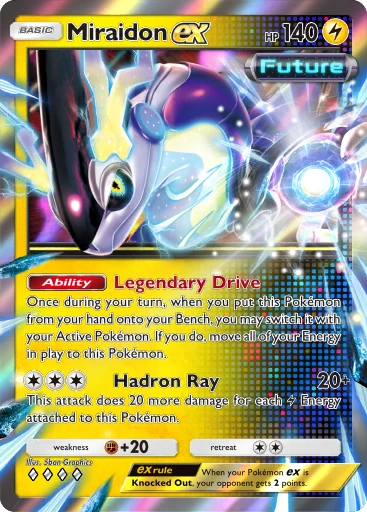
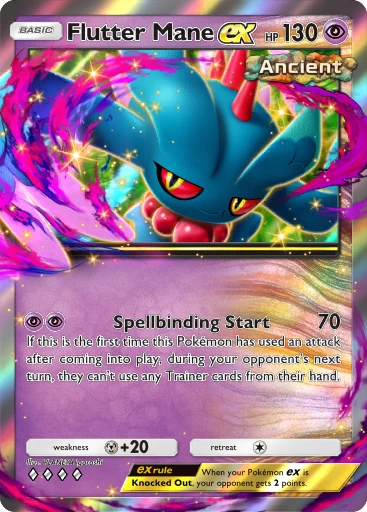
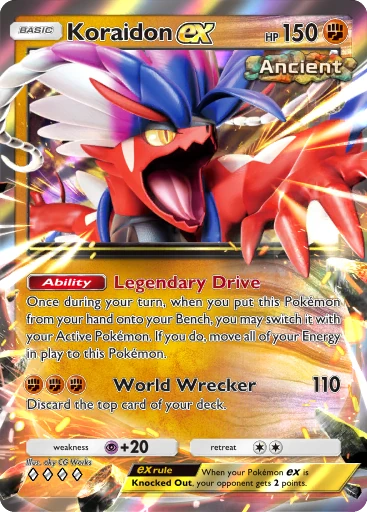
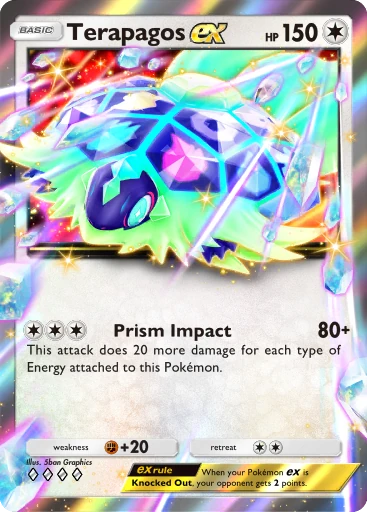
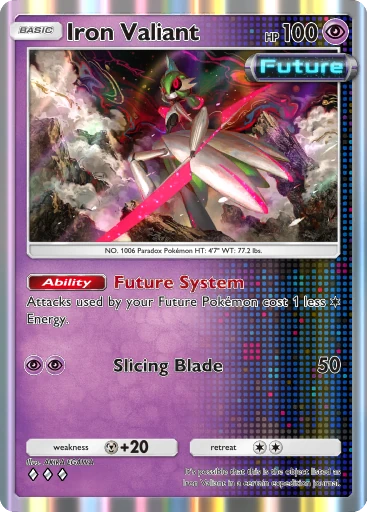
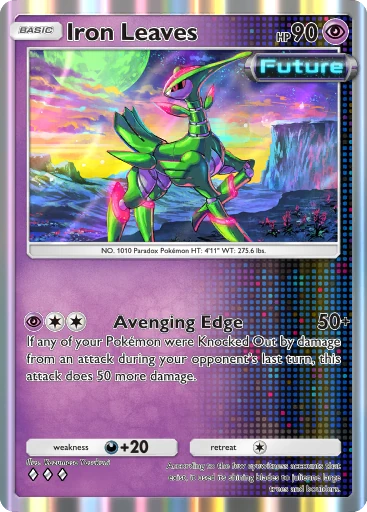
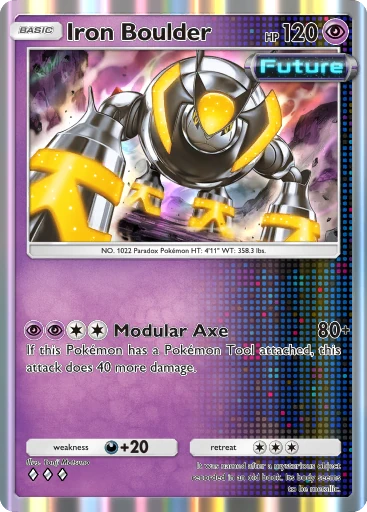
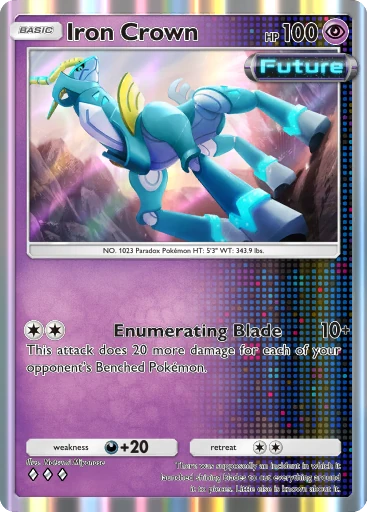
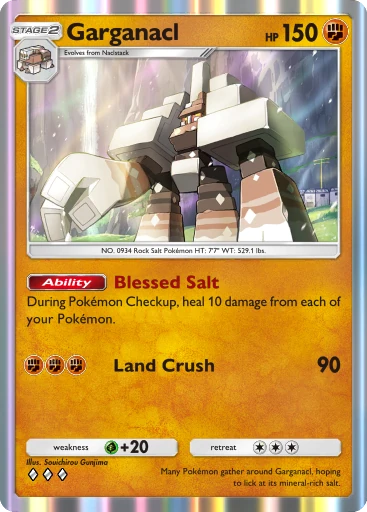
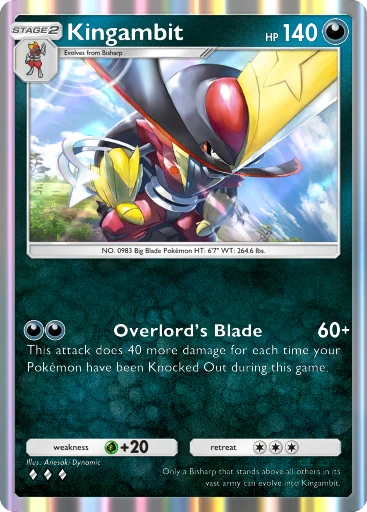
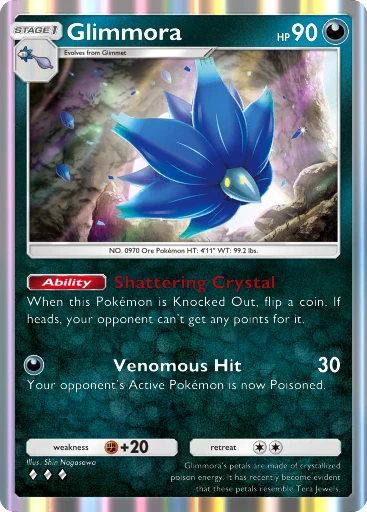
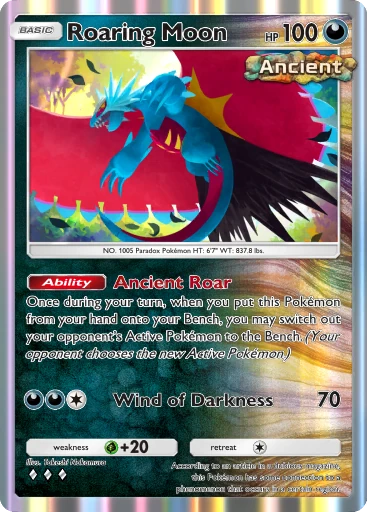
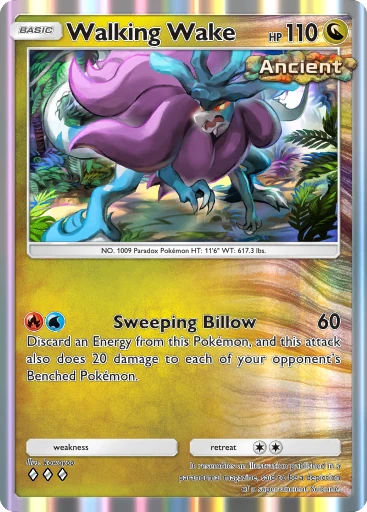
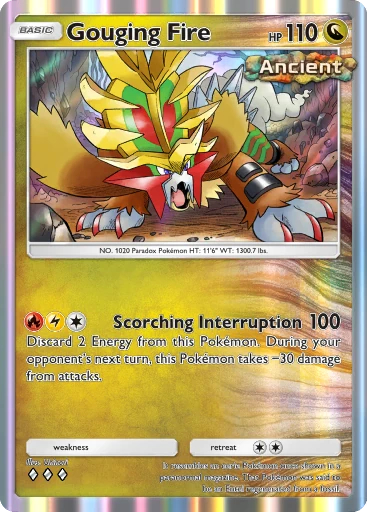
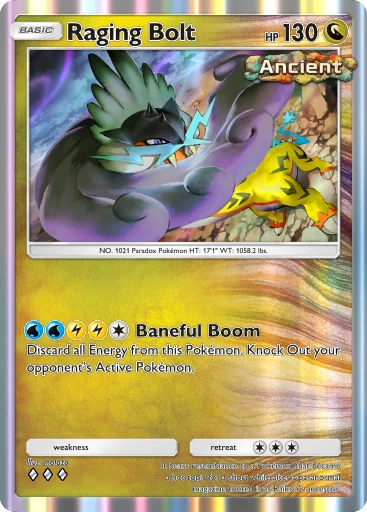
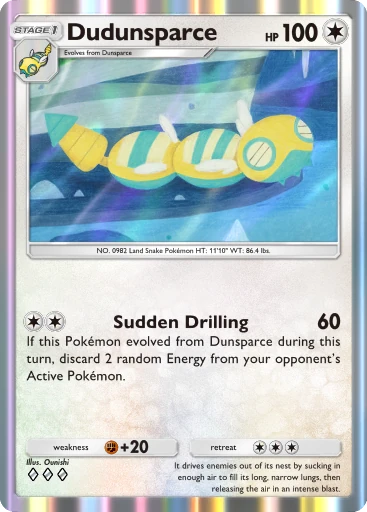
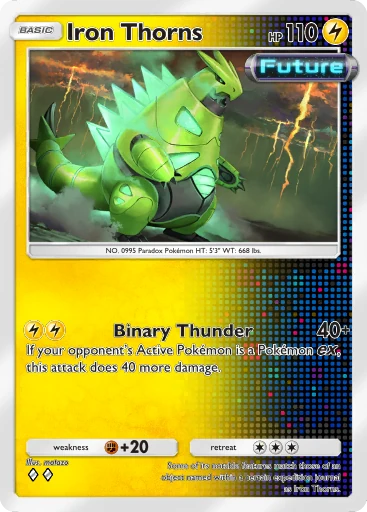
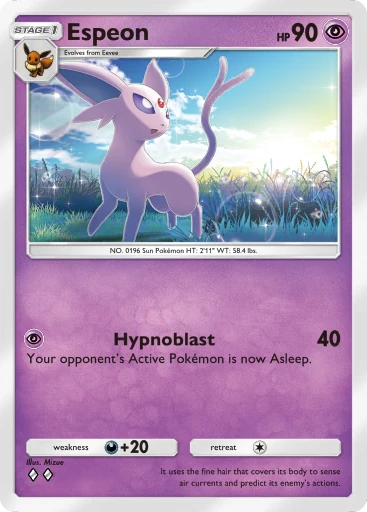
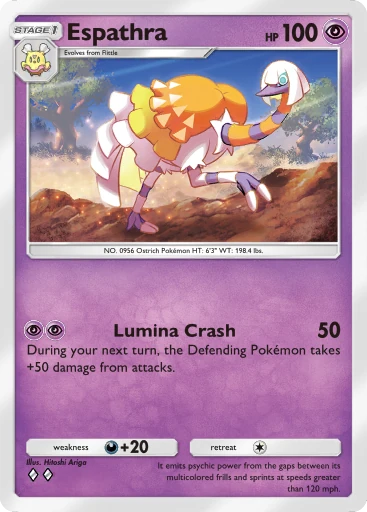
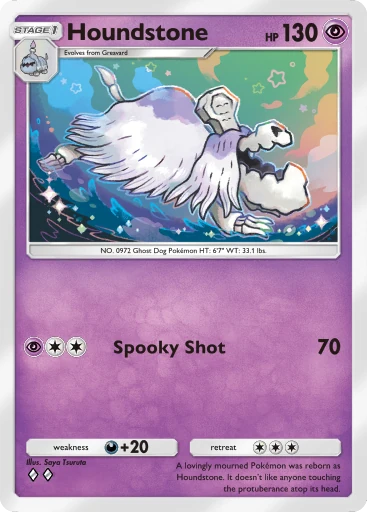
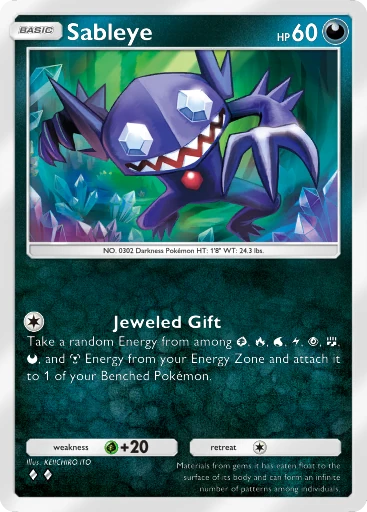
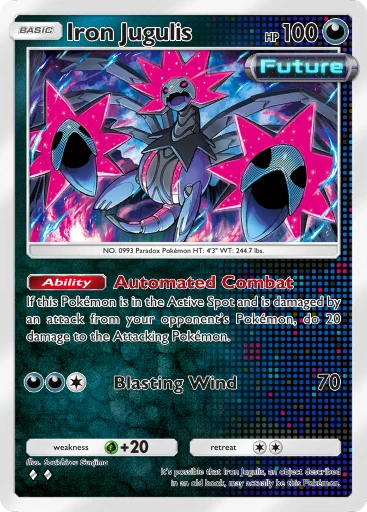
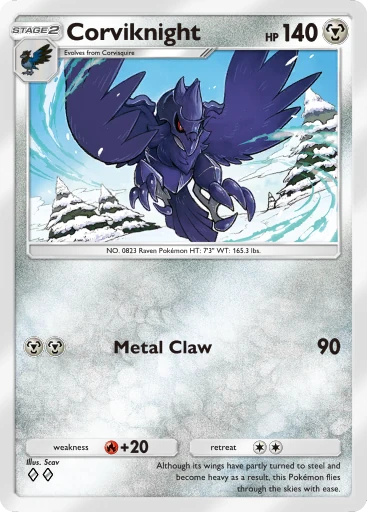
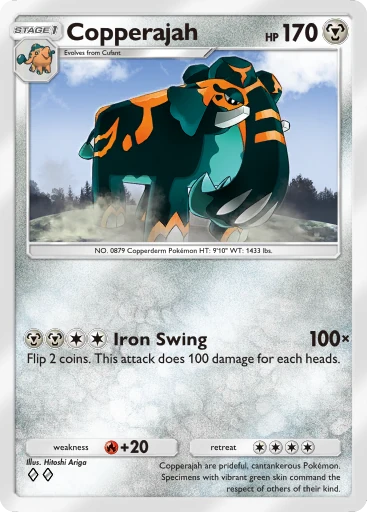
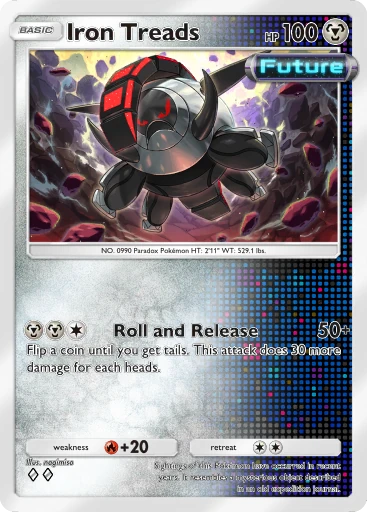
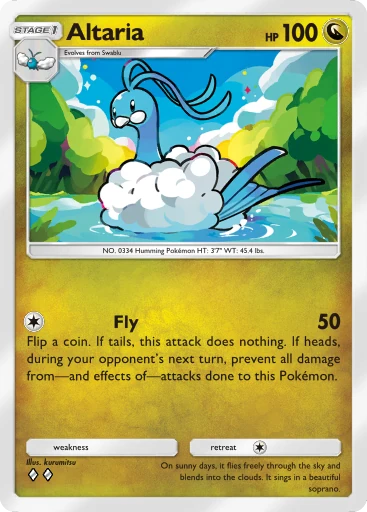
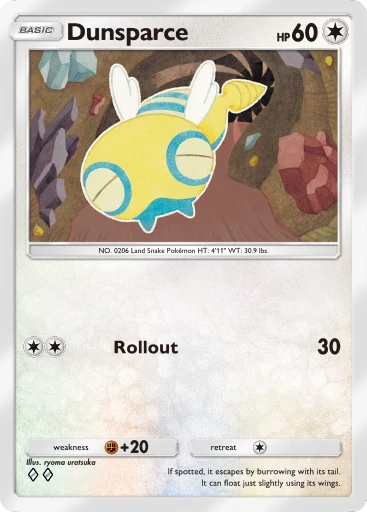
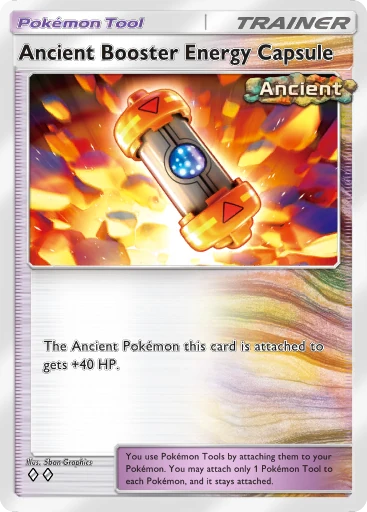
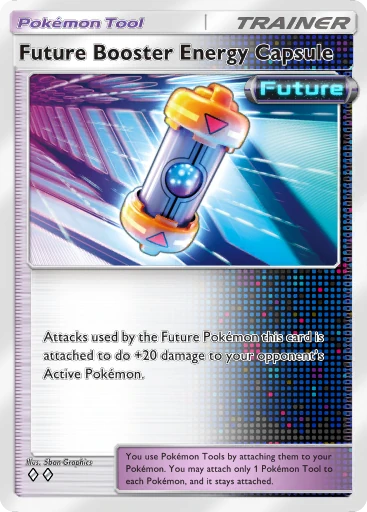
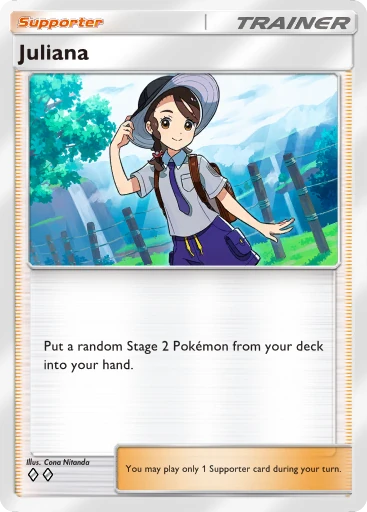
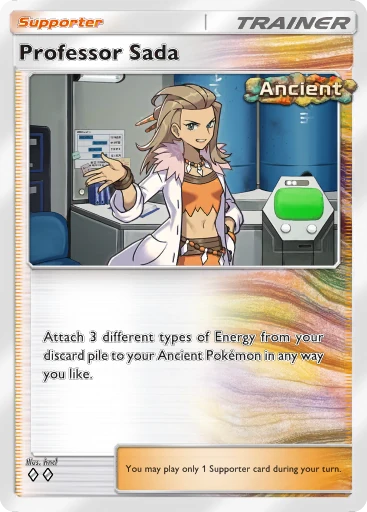
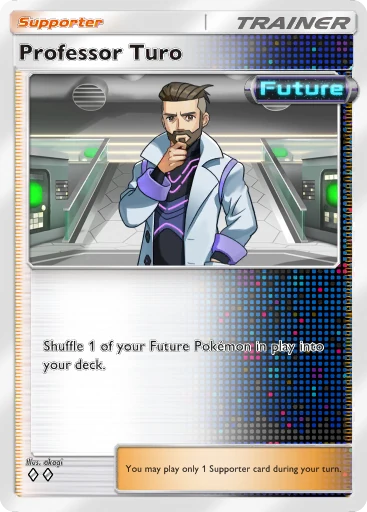
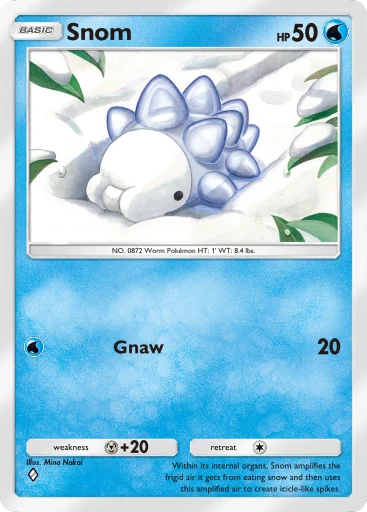
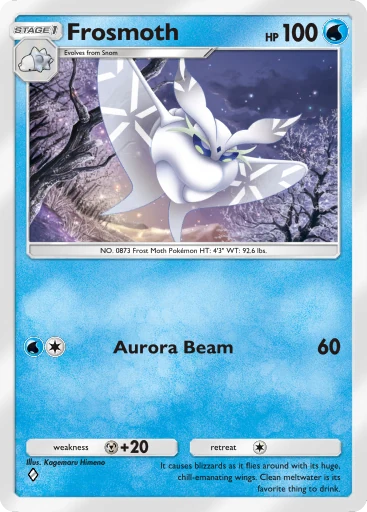
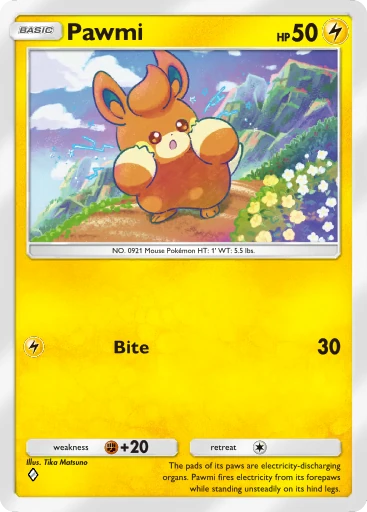
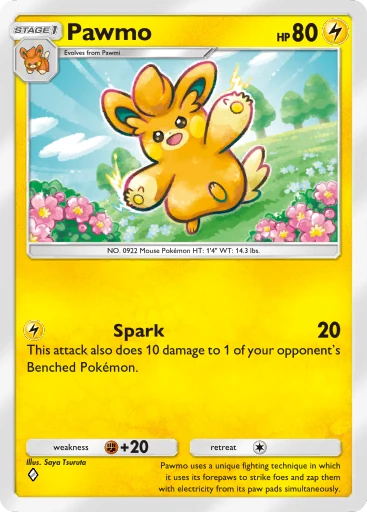
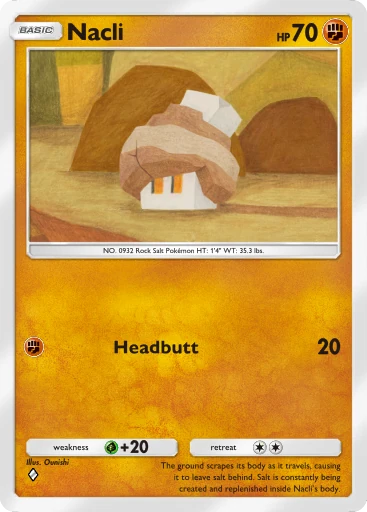
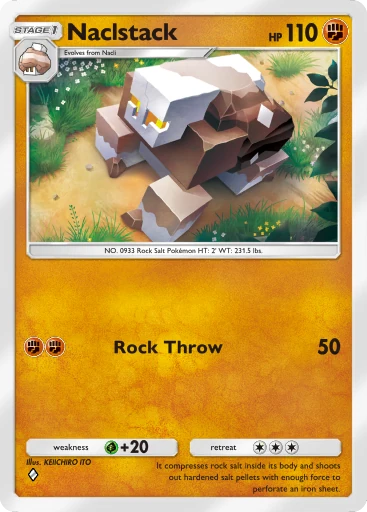
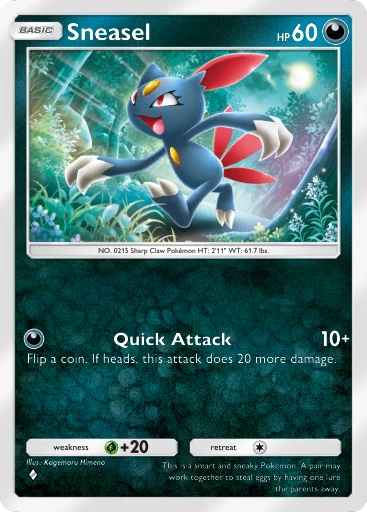
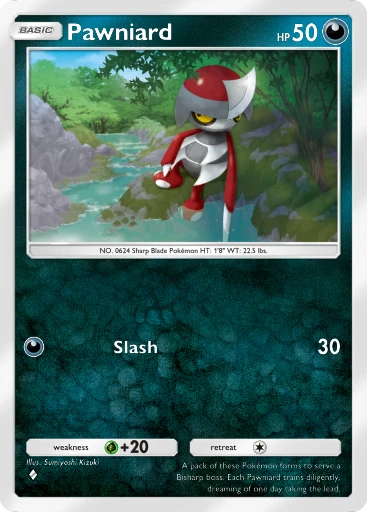
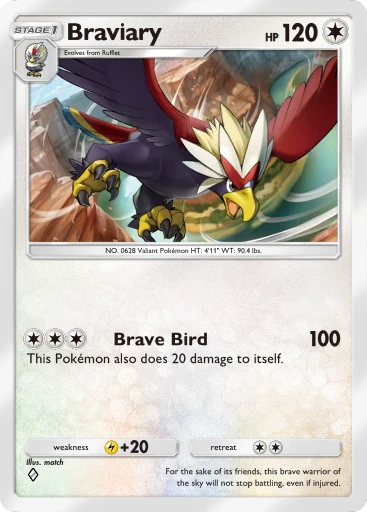
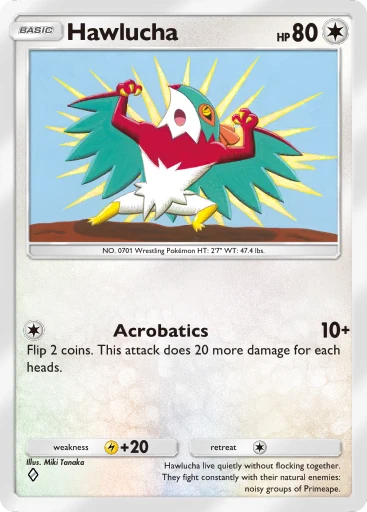
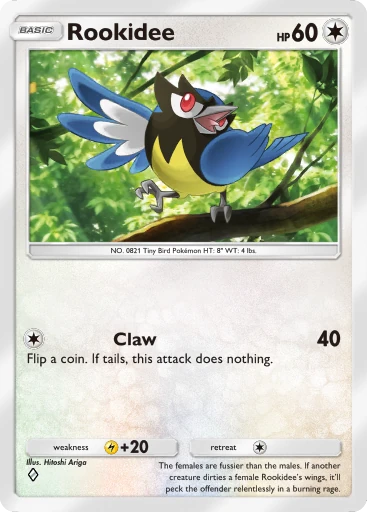
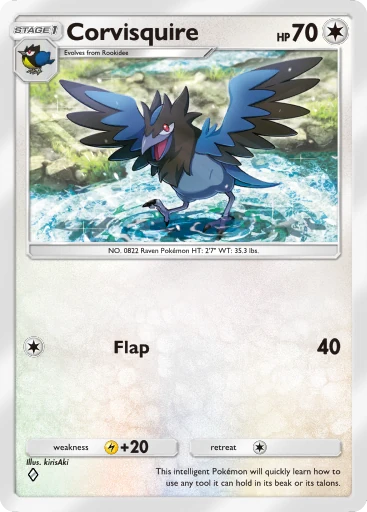
Want to know exactly how many Paradox Drive packs you need to open for a specific card?
How pack odds are structured
Every pack page on this site, including the Pokémon TCG Pocket a1 charizard pack, follows the same layout so you can compare any of the 26 packs at a glance. Each pack belongs to one set, and a set can contain several packs that share the same card pool but differ in exclusive pulls. The top of the page tells you which set the pack is from, its release date, and the artwork used on the pack itself. Below that sits the pull rate table. Two layers matter: the rarity-level breakdown (Common through Crown Rare, expressed as a percentage per rarity) and the slot-level breakdown, which is the part almost no other site publishes for individual packs. A pack opens 5 cards. Slots 1 through 3 are always Common, no exceptions, on any pack in the game. Only slot 4 and slot 5 carry a chance at anything above Common, and slot 5 is roughly four times more likely to hit a rare tier than slot 4 at the same rarity. That is why two packs from the same set can feel different to open even though their overall rarity percentages look similar — the weight is concentrated in the last two slots, not spread evenly across all 5.
Regular Pack vs Rare Pack
Every time you tap to open a pack, the game silently rolls one more check before it fills the 5 slots: is this a Regular Pack or a Rare Pack. A Rare Pack, also called a God Pack, replaces the normal slot table entirely — all 5 cards come back Rare or higher, sometimes all 5 at Art Rare or above. Across the sets that have published data, the chance of landing a Rare Pack is 0.05 percent, meaning roughly 1 in 2,000 pack openings. This number is not the same for every pack — some outside trackers round it to 0.04 percent, but the pull-rate data behind this site checks out at 0.05 percent when cross-referenced against a second independent source, so that is the figure used throughout this site. The contents of a Rare Pack are also pack-specific: two packs from different sets can have different distributions of Ultra Rare, Immersive Rare, Super Rare, and Art Rare within their own Rare Pack pool. Do not assume the Rare Pack odds you read on one pack's page carry over to another pack, even inside the same set.
Exclusive cards and Pack Points
Each pack can hold cards that never appear in any other pack, even other packs from the same set. If you are hunting a specific card, opening the wrong pack from the right set still gives you a 0 percent chance at that card, no matter how many you open. Always check which pack a card is exclusive to before spending resources on it. Opening a pack also earns 5 Pack Points regardless of what you pull, and those points are tracked separately for each pack — they do not carry over to a different pack's point total. Pack Points can be spent on guaranteed trades for specific rarities: 35 points for a 1-diamond card, 70 for 2-diamond, 150 for 3-diamond, 500 for 4-diamond, 400 for a 1-star card, 1,250 for a 2-star card, and 1,500 for a 3-star card. The top tier, Crown Rare, costs 2,500 points but is only tradable through this system on packs where it is offered; Crown Rare and Immersive Rare cards obtained by pulling normally cannot be traded away for Shinedust the way lower rarities can.
When a set is not fully released yet
Not every pack has published slot-level data. Per-slot rates are still unconfirmed for 2 of the newest sets, and this site will not guess at numbers for those packs — the odds table on those pages is marked as not yet published rather than filled in with estimated figures. If you land on a pack page and see that note, check back after the set has been out longer; slot data typically becomes available once enough packs have been tracked and cross-checked.
Frequently asked questions
Are the odds the same for every pack in a set?
No. Packs in the same set can share a card pool but still have different Rare Pack odds and different exclusive cards, so always read the table for the specific pack you plan to open, not a different pack from the same set.
Do slots 1 through 3 ever give a rare card?
No. Slots 1, 2, and 3 are always Common on every pack in the game. All of the rarity variance lives in slot 4 and slot 5, with slot 5 weighted roughly four times higher toward rare tiers than slot 4.
Does opening more packs increase my Rare Pack chance?
No. Each pack opening is an independent roll at the published Rare Pack rate, generally 0.05 percent. There is no confirmed mechanic that raises your odds the more packs you open in a row.